
- 0314 0226667
Shipping goods from China to Pakistan by air is the fastest and most efficient way to move your cargo. China to Pakistan air shipment ensures that time-sensitive products reach their destination quickly and safely, making it ideal for businesses that rely on speed and reliability. Air freight combines convenience, security, and efficiency to keep your supply chain running smoothly.
At Speedaf Logistics, we provide expert China to Pakistan air shipment services including DDP Air Cargo (DDP/DDU), Air Courier, FCL Export & Import, Air & Sea Freight Forwarding, Warehousing & Fulfillment in Guangzhou, Sourcing & Quality Inspection in Yiwu, Shenzhen, and Guangzhou, and Transport Services. With customs clearance, secure packaging, door-to-door delivery, and real-time tracking, Speedaf Logistics ensures your air shipments are fast, reliable, and completely hassle-free.
Why China to Pakistan Shipping Matters
China is one of the world’s largest manufacturers, producing everything from electronics and fashion to machinery and household goods. Pakistan, with its growing market and increasing demand for imported products, relies heavily on both sea freight and air freight from China. By understanding shipping methods, routes, and costs, you can make smarter decisions and keep your business running smoothly.
Sea Freight vs Air Freight
If you’re shipping large volumes, sea freight from China to Pakistan is usually the most cost-effective option. Full container loads (FCL) and less-than-container loads (LCL) give you flexibility depending on your shipment size. On the other hand, air freight is ideal for urgent or high-value shipments, like electronics or small parcels. Air freight is faster but can be more expensive, so knowing when to use it is key.
Who Can Benefit
Small and medium businesses, e-commerce sellers, and even individuals importing products can all benefit from understanding China to Pakistan shipping. Using the right combination of sea freight, air freight, and courier services can help you save money, meet deadlines, and avoid surprises.
What to Expect in This Guide
In this article, we will walk you through everything you need to know about China to Pakistan shipping in 2025. From the major ports and airports, shipping methods, and costs, to documentation, customs, and practical tips for small businesses you’ll have a complete roadmap. We’ll also include helpful tables and comparisons to make it easy to decide between sea freight and air freight.
Major Ports & Airports
Shipping from China to Pakistan starts with knowing which ports and airports to use. Choosing the right origin and destination can save you time, reduce costs, and make the entire process smoother. Let’s break down the key locations for both sea freight and air freight.
Chinese Origin Ports
China has several major ports that handle international shipments. Shanghai, Ningbo, Shenzhen, Nansha, Guangzhou, Qingdao, and Xiamen are the most commonly used. For sea freight, ports like Shanghai, Ningbo, and Nansha offer reliable container shipping options, including full container load (FCL) and less-than-container load (LCL) shipments. These ports are ideal for large shipments, and they handle most export documentation efficiently.
When it comes to air freight, Shanghai Pudong International Airport (PVG), Guangzhou Baiyun International Airport (CAN), and Shenzhen Bao’an International Airport (SZX) are the busiest hubs. These airports are perfect for urgent shipments or high-value goods that need to reach Pakistan quickly.
Pakistani Destination Ports
In Pakistan, Karachi Port is the largest and most commonly used sea port, followed by Port Qasim. Gwadar is also an option, though less frequently used for standard commercial shipments. Using the right port can impact transit times, customs clearance speed, and inland transportation costs.
For air shipments, the main airports are Jinnah International Airport (Karachi), Allama Iqbal International Airport (Lahore), and Islamabad International Airport. These airports handle most international cargo flights from China and are equipped for fast customs processing.
Choosing the Right Port or Airport
Selecting the correct port or airport depends on the type of cargo, its urgency, and the final destination in Pakistan. For instance, if you’re shipping electronics from Ningbo to Karachi, using sea freight via Ningbo port may be cost-effective for bulk orders. For small parcels or urgent goods, air freight from Shanghai or Shenzhen to Karachi, Lahore, or Islamabad might be the better option.
Knowing the right combination of ports and airports also helps you calculate shipping costs more accurately and avoid delays. Door-to-door services can be combined with these ports and airports to ensure your cargo arrives on time and in perfect condition.
Shipping Methods Explained
Shipping from China to Pakistan isn’t one-size-fits-all. Depending on your cargo size, urgency, and budget, you can choose between sea freight, air freight, or courier services. Understanding these options helps you make the smartest choice and avoid unnecessary costs.
Sea Freight: FCL and LCL
Sea freight is the most popular method for bulk shipments. Full container load (FCL) is ideal if you have enough goods to fill an entire 20ft or 40ft container. It’s cost-effective for large shipments and gives you full control over your cargo.
Less-than-container load (LCL) is perfect for smaller shipments that don’t fill a whole container. With LCL, your goods share space with other importers’ shipments, which lowers the cost per cubic meter (CBM). Sea freight from ports like Shanghai, Ningbo, or Nansha to Karachi or Port Qasim usually takes 18–25 days, depending on the route and season.
Air Freight: Fast and Reliable
Air freight is the fastest way to ship goods from China to Pakistan. Whether it’s electronics, fashion, or urgent parcels, air freight can deliver in 3–5 days. Major airports like Shanghai Pudong, Guangzhou, and Shenzhen connect to Karachi, Lahore, and Islamabad.
Air freight costs more than sea shipping, typically around 4.5–7.5 USD per kilogram. Chargeable weight, which considers both actual and volumetric weight, determines the final price. Air freight is perfect when time is critical or the shipment is high in value but light in weight.
Courier and Door-to-Door Services
For small parcels or e-commerce shipments, courier services are ideal. Door-to-door shipping handles the entire process from your supplier in China to your doorstep in Pakistan. This method saves time and reduces the hassle of dealing with customs and inland transport. It’s great for small businesses or first-time importers who want a stress-free experience.
Choosing the Right Method
The best shipping method depends on your cargo type, budget, and urgency. For example, a small business importing 50kg of electronics might choose air freight or courier, while a company sending a full container of household items would go with FCL sea freight.
Streamline Your Shipping with Speedaf Logistics
Speedaf Logistics is a logistics and freight-forwarding company offering a wide range of services, including international shipping, air and sea freight, domestic road transport, warehousing, and end-to-end supply chain solutions. They cater to various sectors such as e-commerce, textiles, and pharmaceuticals, providing services like customs clearance, door-to-door delivery, container transport, and last-mile delivery. While their website presents a professional image and extensive service offerings, independent verification or customer reviews are limited. Prospective clients should carefully review past performance, request shipment references, and clarify tracking, customs, and delivery procedures before engaging to ensure reliable service.
Documentation & Customs Clearance
Shipping from China to Pakistan isn’t just about moving goods it also involves proper documentation and customs clearance. Getting this right ensures your cargo arrives on time without unnecessary delays or extra charges.
Essential Shipping Documents
Whether you are using sea freight, air freight, or courier services, certain documents are mandatory:
- Commercial Invoice: Details the products, quantity, and value. Customs uses this to calculate duties and taxes.
- Packing List: Lists all items in the shipment and how they are packaged. This helps with inspections.
- Bill of Lading (B/L) or Air Waybill (AWB): Proof of contract between you and the shipping company.
- Certificate of Origin: Confirms where the goods were produced; sometimes required for preferential tariffs.
Understanding Customs Duties
Pakistan applies import duties, GST, and other fees depending on the type of goods. Knowing the HS code for your product helps determine the correct duty rate. Incorrect or missing codes can lead to fines or delays.
Clearance Process at Ports and Airports
For sea shipments arriving at Karachi Port or Port Qasim, customs checks, handling, and storage fees are part of the clearance process. Air shipments through Karachi, Lahore, or Islamabad airports usually clear faster but still require accurate paperwork.
Tips for Smooth Customs Clearance
- Ensure all documents match the cargo exactly.
- Work with a reliable freight forwarder who knows Pakistan customs procedures.
- Pay attention to restricted or prohibited items. Shipping electronics, chemicals, or high-value goods may require special permits.
- For small businesses or e-commerce shipments, door-to-door services can simplify customs and inland delivery.
Avoiding Common Mistakes
Many importers face delays because of incomplete documents, misdeclared cargo, or not factoring in customs fees in their total landed cost. Preparing in advance and double-checking paperwork saves time, money, and stress.
Choosing the Right Shipping Option
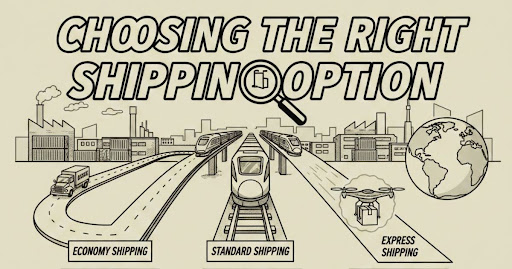
Selecting the right shipping option from China to Pakistan can make a big difference in cost, speed, and overall experience. With sea freight, air freight, and courier services available, it’s important to match your cargo type and business needs with the best method.
Sea Freight for Bulk Shipments
Sea freight is ideal for large shipments or when you want to save on costs. Full container load (FCL) works well if you have enough products to fill a 20ft or 40ft container. Less-than-container load (LCL) is perfect for smaller shipments, where your goods share space with other importers.
Using sea freight from ports like Ningbo to Karachi or Nansha to Port Qasim is cost-effective but slower, typically taking 18–25 days. It’s the best choice for bulk imports, machinery, or household goods.
Air Freight for Speed and High-Value Goods
Air freight is faster and reliable for urgent shipments or high-value products like electronics and fashion items. Shipping from Shanghai, Shenzhen, or Guangzhou to Karachi, Lahore, or Islamabad usually takes 3–5 days. Costs are higher, around 4.5–7.5 USD per kilogram, depending on chargeable weight.
Air freight is excellent when time is critical, but it works best for lighter cargo. For heavier shipments, sea freight remains more economical.
Courier and Door-to-Door Services
Courier and door-to-door services are perfect for small parcels, e-commerce shipments, and first-time importers. These services handle pickup, customs clearance, and delivery directly to your location. Using courier services is a convenient way to save time and avoid complex paperwork.
Factors to Consider When Choosing
- Shipment size: Large volumes favor sea freight; small packages may be better by air or courier.
- Urgency: Air freight and courier are faster options.
- Cost sensitivity: Sea freight is generally cheaper for bulk shipments.
- Cargo type: High-value, fragile, or perishable goods may benefit from air freight or door-to-door services.
By carefully considering your shipment’s size, urgency, and type, you can choose the best method for China to Pakistan shipping. This ensures your goods arrive on time, within budget, and without unnecessary complications, whether you’re importing from Ningbo port to Karachi, Nansha port to Port Qasim, or using air freight from Shanghai to Islamabad.
Risk Management & Common Mistakes
Shipping from China to Pakistan can be smooth if you plan carefully, but many importers face delays, unexpected costs, or damaged goods. Understanding the common risks and how to avoid them is key to successful shipments.
Common Shipping Risks
- Delays
Sea freight can be affected by port congestion, weather, or peak seasons. Air freight is faster, but flights may also face delays due to bad weather or airport congestion. Planning ahead and booking early can help minimize delays. - Misdeclared Cargo
Incorrect product descriptions or HS codes can lead to fines, customs inspections, or even shipment rejection. Always double-check your commercial invoices and packing lists to ensure everything matches the cargo. - Damage or Loss
Goods can get damaged during loading, transit, or unloading. Fragile items like electronics, glassware, or delicate machinery require proper packaging and insurance coverage. - Cost Overruns
Unexpected fees, surcharges, or volumetric weight miscalculations for air freight can increase costs. Include all charges freight, customs, handling, inland transport, and insurance in your total landed cost to avoid surprises.
How to Minimize Risks
- Work with reliable freight forwarders: Experienced forwarders know the rules and can help with documentation, customs, and route optimization.
- Use proper packaging: Reinforced boxes, pallets, and cushioning protect cargo from damage.
- Insure your shipment: Cargo insurance protects against loss, theft, or damage.
- Track your shipment: Most shipping companies provide online tracking so you can monitor progress and address issues quickly.
- Plan for peak seasons: Book early during high-demand periods like holidays to avoid congestion and extra fees.
Avoiding Common Mistakes
Small mistakes can cost time and money. For instance, not calculating volumetric weight for air freight, choosing the wrong port, or underestimating inland delivery costs are common pitfalls. Preparing documentation in advance, confirming accurate customs duties, and knowing the best shipping route like Nansha port to Karachi or Ningbo port to Port Qasim can prevent most problems.
Conclusion
China to Pakistan air shipment provides a fast and reliable logistics solution for businesses requiring secure, time-critical international transport. By offering quick transit times, advanced cargo tracking, and professional customs clearance support, air freight ensures safe delivery for high-value and urgent shipments. With airport-to-airport or door-to-door options available, air shipment strengthens global supply chains, minimizes transit delays, and supports consistent cross-border trade efficiency.
FAQs
What is China to Pakistan air shipment?
China to Pakistan air shipment is the fastest logistics solution for transporting goods by air cargo between Chinese and Pakistani airports for urgent and time-sensitive deliveries.
What types of cargo are best suited for air freight?
Air freight is ideal for electronics, medical supplies, fashion goods, samples, perishables, and high-value or lightweight shipments requiring quick transit.
How long does air shipment take from China to Pakistan?
Transit times usually range between two to five days, including cargo handling, flight schedules, customs clearance procedures, and final delivery processes.
What documents are required for air shipment?
Typical documentation includes commercial invoices, packing lists, airway bills, certificates of origin, and customs clearance paperwork.
Does air shipment include customs clearance services?
Many air freight services provide customs brokerage, duty processing, regulatory compliance, and import documentation management to ensure smooth border clearance.