
- 0314 0226667
Shipping goods between China and Pakistan requires expertise, efficiency, and reliability. China to Pakistan logistics ensures that businesses and individuals can move products across borders smoothly, whether by air, sea, or road. With proper planning, secure packaging, and timely deliveries, logistics plays a crucial role in keeping your supply chain seamless and dependable.
At Speedaf Logistics, we provide specialized services to make your shipments hassle-free. Our offerings include Sea Shipping (DDP), Air Cargo (DDP/DDU), Air Courier, FCL Export & Import, Air & Sea Freight Forwarding, Warehousing & Fulfillment in Guangzhou, Sourcing & Quality Inspection in Yiwu, Shenzhen, and Guangzhou, and Transport Services. With customs clearance, secure packaging, door-to-door delivery, and real-time tracking, Speedaf Logistics ensures every shipment from China to Pakistan is safe, reliable, and on time.
Why China to Pakistan Logistics Matters
The flow of goods from China to Pakistan has grown rapidly in recent years. Businesses rely on efficient freight and shipping solutions to maintain schedules, meet customer demands, and keep costs manageable. Even small delays or mismanaged shipments can affect operations, so knowing your shipping options is critical.
Who Should Care About This Guide
This guide is for anyone looking to move goods from China to Pakistan. It could be:
- Small business owners importing products for resale
- E-commerce sellers shipping samples or bulk orders
- Companies managing large container shipments
- Individuals sending personal goods or gifts
Whether you’re sending a few boxes or full containers, understanding the logistics process, costs, and transit times helps you make better decisions.
What You Will Learn
By the end of this article, you’ll understand:
- The main shipping methods from China to Pakistan
- Key ports and popular routes such as Nansha port to Karachi or Ningbo port to Karachi
- How costs are calculated and what factors affect pricing
- Documentation and customs requirements
- Tips to avoid delays and manage shipments effectively
Choosing the right shipping method, whether it’s sea freight, air freight, rail via CPEC, or courier services, can save time, reduce costs, and protect your cargo. Throughout this guide, we will use real examples and provide clear advice so you can confidently plan your China to Pakistan shipments with Speedaf Logistic.
Primary Shipping Methods
When it comes to shipping from China to Pakistan, there isn’t a one-size-fits-all solution. The best method depends on your budget, shipment size, and urgency. Understanding the main options helps you pick the right one and avoid surprises.
Sea Freight (FCL and LCL)
Sea freight is the most common way to transport goods from China to Pakistan. It’s cost-effective, especially for large shipments. There are two main types: FCL (Full Container Load) and LCL (Less than Container Load). FCL is ideal if you’re shipping a full 20ft or 40ft container, while LCL allows you to share container space with other shipments, which is great for smaller orders. Popular routes include Nansha port to Karachi, Ningbo port to Karachi, and Shanghai to Port Qasim. Sea freight is slower than air, typically taking 20–35 days depending on the route and port congestion, but it’s much cheaper for bulk cargo.
Air Freight
Air freight is the fastest way to ship goods from China to Pakistan. It’s perfect for high-value items, urgent shipments, or small parcels. The cost is higher than sea freight, but it saves a lot of time. Major airports like Beijing, Shanghai, and Guangzhou connect to Karachi and Islamabad, making air freight convenient for businesses that need fast delivery. This method is especially popular for electronics, fashion items, and perishable goods.
Rail and Road via CPEC
The China-Pakistan Economic Corridor (CPEC) offers rail and road freight as an alternative to sea and air. Rail freight combines affordability with speed, usually faster than sea freight but cheaper than air. This route is suitable for heavy machinery, industrial products, and bulk goods. Road freight from China through CPEC is an option for flexible delivery schedules, especially for inland cities. Transit times vary depending on the route, customs, and traffic conditions.
Courier and Express Services
For small parcels or e-commerce shipments, courier and express services are convenient and reliable. Companies offer door-to-door delivery, including customs clearance and tracking. While the cost per kilogram is higher, the speed and convenience make it worthwhile for smaller shipments. This option ensures your packages reach Pakistani customers quickly and safely.
Streamline Your Shipping with Speedaf Logistics
Speedaf Logistics is a logistics and freight-forwarding company offering a wide range of services, including international shipping, air and sea freight, domestic road transport, warehousing, and end-to-end supply chain solutions. They cater to various sectors such as e-commerce, textiles, and pharmaceuticals, providing services like customs clearance, door-to-door delivery, container transport, and last-mile delivery. While their website presents a professional image and extensive service offerings, independent verification or customer reviews are limited. Prospective clients should carefully review past performance, request shipment references, and clarify tracking, customs, and delivery procedures before engaging to ensure reliable service.
Key Ports and Routes
When it comes to China to Pakistan logistics, knowing the main ports and routes can make a huge difference in planning your shipments. Choosing the right port and route affects cost, transit time, and reliability. At Speedaf Logistic, we help businesses and individuals navigate these options to ensure smooth delivery.
Major Chinese Ports
China has several major ports that handle exports to Pakistan. Nansha port, Ningbo port, Shanghai port, Shenzhen port, and Qingdao port are the most commonly used. Each port has its own strengths:
- Nansha port to Karachi is popular for bulk shipments and full container loads.
- Ningbo port to Karachi offers efficient handling for smaller or less frequent shipments.
- Shanghai to Port Qasim balances cost and speed, making it a versatile choice for many businesses.
These ports are connected to major sea routes, ensuring that goods can be shipped reliably and tracked effectively.
Pakistani Ports
On the receiving side, Karachi, Port Qasim, and Gwadar are the main ports handling imports from China. Karachi is the busiest and most developed, offering fast customs processing and easy access to inland cities. Port Qasim handles a growing number of industrial and bulk shipments, while Gwadar is emerging as a strategic option for large-scale trade and CPEC projects.
Route Selection Tips
Choosing the right route depends on your priorities:
- If you want the lowest cost for bulk shipments, FCL via Nansha port to Karachi is usually the best.
- For faster delivery with smaller shipments, Ningbo port to Karachi is ideal.
- If you are balancing cost and speed, Shanghai to Port Qasim offers good flexibility.
At Speedaf Logistic, we help clients evaluate their shipment size, urgency, and type of cargo to recommend the best route and shipping method. By selecting the right ports and planning ahead, you can avoid delays, reduce costs, and ensure your goods arrive safely.
Why Routes Matter
Using the optimal port and route not only saves money but also reduces transit time and the risk of cargo damage. Proper route planning, combined with reliable shipping partners like Speedaf Logistic, ensures your China to Pakistan shipments are handled efficiently from start to finish.
Documentation and Customs Clearance
Shipping goods from China to Pakistan isn’t just about picking a port or a transport method. Proper documentation and customs clearance are crucial to ensure your cargo moves smoothly and avoids delays. At Speedaf Logistic, we help clients handle paperwork efficiently, so shipments reach their destination without a hitch.
Essential Documents
For every shipment, certain documents are mandatory:
- Commercial invoice detailing the items, quantity, and value
- Packing list specifying the contents of each package
- Bill of lading or airway bill depending on sea or air freight
- Certificate of origin to confirm the product’s country of manufacture
- Any additional permits required for restricted or sensitive goods
Having all these documents correctly filled out helps prevent customs from holding your cargo.
Customs Duties and Taxes
Pakistan imposes import duties and taxes on goods arriving from China. The charges vary based on the product type, quantity, and value. Being aware of these costs in advance allows you to calculate the total landed cost accurately. Proper classification of goods and correct documentation ensures you pay the right amount and avoid fines.
Common Clearance Challenges
Shipments can face delays due to incomplete documents, misdeclared items, or incorrect HS codes. Port congestion, peak seasons, and verification processes can also slow down delivery. Working with a reliable freight partner like Speedaf Logistic minimizes these risks, as they can pre-check documents and guide you on proper procedures.
Tips for Smooth Customs Clearance
- Double-check all documents before shipment
- Keep invoices and packing lists accurate and transparent
- Understand Pakistan’s import regulations for your product type
- Coordinate with your logistics provider for tracking updates
- Consider freight insurance to cover unforeseen delays or damages
Why It Matters
Customs clearance is more than just paperwork; it’s a critical step in ensuring timely delivery and avoiding unnecessary costs. Proper preparation and guidance make the process smooth, giving you peace of mind that your China to Pakistan cargo will arrive safely and on schedule.
Tracking and Managing Shipments
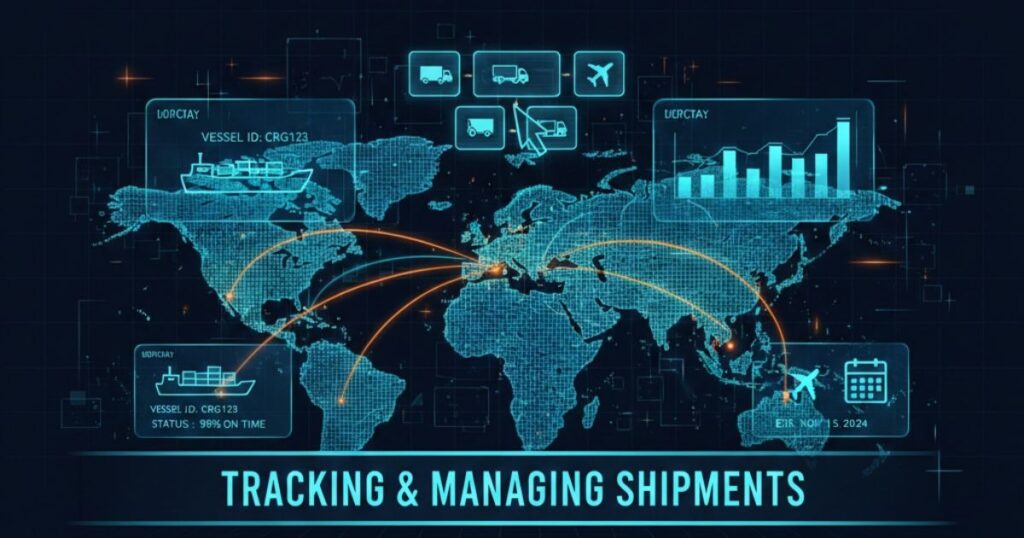
Once your goods are on the move from China to Pakistan, keeping track of them is crucial. With so many routes, ports, and shipping methods involved, monitoring your cargo ensures it arrives safely and on time. At Speedaf Logistic, we make tracking and managing shipments simple and reliable for our clients.
How Shipment Tracking Works
Most freight options, whether sea, air, or rail, come with tracking systems. You can monitor your cargo from the moment it leaves a Chinese port like Nansha, Ningbo, Shanghai, or Shenzhen, until it reaches Karachi, Port Qasim, or Gwadar. Each container or parcel is assigned a tracking number, allowing you to check its location, estimated arrival, and status at every stage.
Benefits of Tracking Your Cargo
- Peace of mind: Knowing where your shipment is reduces stress and uncertainty.
- Proactive issue management: If a delay occurs due to port congestion or customs, you can act quickly.
- Better planning: Accurate arrival estimates help you coordinate logistics, storage, and delivery schedules in Pakistan.
Tips for Smooth Shipment Management
- Keep all shipping documents handy for easy reference.
- Use online portals provided by freight forwarders like Speedaf Logistic for real-time updates.
- Communicate regularly with your logistics provider to handle any unexpected situations.
- Choose services that offer notifications for key milestones, such as departure, arrival at port, and customs clearance.
Why It Matters
Even with the best planning, shipments can face unexpected delays. Effective tracking and management minimize risks and ensure your China to Pakistan freight stays on schedule. By using a trusted logistics partner, you not only gain access to reliable tracking tools but also expert guidance if challenges arise.
Choosing the Right Logistics Partner
Shipping from China to Pakistan can feel overwhelming with so many options, ports, and regulations. Choosing the right logistics partner makes all the difference. At Speedaf Logistic, we help clients navigate every step of the process, ensuring smooth and reliable deliveries.
Why a Trusted Partner Matters
A dependable logistics partner manages everything from documentation and customs clearance to tracking and risk management. This saves you time, reduces errors, and ensures your cargo arrives safely. They also provide insights on cost-effective routes, like Nansha port to Karachi or Ningbo port to Karachi, balancing speed and budget.
Services to Look For
When selecting a logistics provider, consider:
- Comprehensive services: Handling sea, air, or rail shipments, customs clearance, and insurance.
- Real-time tracking: Keeping you updated on the location and status of your cargo.
- Experience with China-Pakistan routes: Understanding port procedures and regulations ensures faster clearance.
- Transparent pricing: Clear costs prevent unexpected charges and allow better planning.
Questions to Ask Before Hiring
- How do they manage customs clearance and documentation?
- What tracking options are available?
- How do they handle damaged or lost cargo?
- Can they suggest the most cost-effective routes for your shipment?
Benefits of Using Speedaf Logistic
By partnering with Speedaf Logistic, you get expertise, reliability, and peace of mind. We streamline China to Pakistan freight, manage risks, and provide guidance on the best ports, routes, and shipping methods. Whether you’re shipping from Shanghai, Shenzhen, or Ningbo to Karachi, Port Qasim, or Gwadar, we ensure your cargo is handled with care.
Why It Matters
A strong logistics partner transforms a complicated process into a simple, efficient experience. With the right support, your China to Pakistan shipments move smoothly from port to port, saving you time, money, and stress. The result is safe, timely delivery and a logistics experience you can trust.
Common Challenges and How to Overcome Them
Shipping goods from China to Pakistan comes with its own set of challenges, but knowing what to expect can help you avoid delays and extra costs. At Speedaf Logistic, we guide clients through common hurdles, ensuring smooth delivery from port to port.
Delays at Ports
Ports like Karachi, Port Qasim, and Gwadar can get busy, especially during peak seasons. Congestion may delay unloading and customs clearance. Choosing less crowded ports when possible or scheduling shipments during off-peak times can help. Routes like Nansha port to Karachi or Ningbo port to Karachi are often used, but awareness of port conditions ensures better planning.
Documentation Errors
Incorrect or incomplete documents can hold shipments at customs. Common issues include misdeclared goods, missing certificates, or incorrect HS codes. Double-checking commercial invoices, packing lists, and certificates of origin is crucial. Speedaf Logistic assists in pre-verifying documents, reducing risks of delays.
Customs and Regulatory Hurdles
Pakistan’s customs regulations may change, affecting duties and import procedures. Awareness of current rules and classification of goods helps avoid unexpected fees. Working with experienced logistics providers ensures your shipments comply with all regulations.
Handling Damaged or Lost Cargo
Accidents, improper packaging, or mishandling can lead to damaged goods. Insurance is essential to cover potential losses. Using sturdy packaging and coordinating with reliable freight partners like Speedaf Logistic minimizes risks.
Tips for Overcoming Challenges
- Plan shipments in advance to avoid peak season congestion.
- Use accurate and complete documentation for customs clearance.
- Track shipments regularly to address delays proactively.
- Insure high-value cargo and fragile items.
- Partner with experienced logistics providers for guidance on best routes and practices.
Why It Matters
Being aware of common challenges and knowing how to handle them ensures your China to Pakistan cargo arrives safely, on time, and within budget. With the right planning and expert support from Speedaf Logistic, you can navigate delays, customs, and other issues efficiently, keeping your business running smoothly.
Final Tips for Successful China to Pakistan Logistics
Managing shipments from China to Pakistan can feel complex, but with the right approach, it becomes smooth and predictable. At Speedaf Logistic, we help clients navigate every step, from ports in China to delivery in Pakistan, making logistics hassle-free.
Plan Ahead for Your Shipments
Planning is key to avoiding delays and unexpected costs. Determine your cargo type, volume, and preferred shipping route early. Consider ports like Nansha, Ningbo, Shanghai, or Shenzhen, and plan delivery to Karachi, Port Qasim, or Gwadar. Early planning ensures better schedules, lower costs, and fewer headaches.
Use Reliable Freight Services
Partnering with a dependable logistics provider like Speedaf Logistic ensures your China to Pakistan cargo is handled with care. A reliable service offers:
- Transparent pricing for sea, air, or rail freight
- Guidance on customs documentation and clearance
- Real-time shipment tracking and updates
- Risk management including insurance for valuable goods
Keep Communication Open
Clear communication with your logistics provider and suppliers in China helps prevent misunderstandings. Regular updates allow you to respond quickly to any challenges, such as port congestion or customs inspections.
Monitor Costs and Regulations
Understanding duties, taxes, and import regulations in Pakistan prevents surprises. Accurate HS codes, proper documentation, and awareness of any regulatory changes ensure smooth customs clearance. Speedaf Logistic helps clients stay informed and compliant, avoiding unnecessary delays or fines.
Why Following These Tips Matters
When you plan ahead, choose reliable partners, communicate clearly, and stay informed about regulations, your shipments move efficiently. Your China to Pakistan freight reaches its destination safely, on time, and cost-effectively. This reduces stress, saves money, and builds confidence in your logistics operations.
Wrapping Up
Shipping from China to Pakistan doesn’t have to be complicated. With careful planning, the right logistics partner, and proactive tracking, you can handle every step confidently. Whether you are shipping from Nansha port to Karachi or Ningbo port to Karachi, Speedaf Logistic ensures your cargo reaches safely and smoothly. Following these final tips sets you up for consistent success and peace of mind in your logistics operations.
Conclusion
China to Pakistan logistics services support international trade by delivering efficient freight forwarding, reliable customs clearance, and organized supply chain coordination. With flexible shipping options across air, sea, and road transport, businesses can manage timelines and costs effectively. Integrated logistics solutions featuring shipment tracking, regulatory compliance, and door-to-door delivery ensure smooth transportation, reduced transit risks, and seamless trade operations between China and Pakistan.
FAQs
What is China to Pakistan logistics?
China to Pakistan logistics refers to the transportation and management of shipments between both countries using air freight, sea freight, road transport, and multimodal supply chain solutions.
What shipping methods are available for China to Pakistan logistics?
Available methods include air cargo for urgent delivery, sea freight for large or bulk shipments, road transportation for direct cross-border trade, and integrated door-to-door logistics services.
How long does China to Pakistan logistics take?
Transit time depends on shipping mode. Air freight takes a few days, sea freight can take several weeks, while road transport usually offers mid-range delivery timelines.
What documents are needed for China to Pakistan logistics?
Common requirements include commercial invoices, packing lists, bills of lading or airway bills, certificates of origin, customs declarations, and import compliance documentation.
Does China to Pakistan logistics include customs clearance services?
Most logistics providers handle customs brokerage, tariff processing, duty calculations, and regulatory compliance to ensure smooth clearance and prevent shipment delays.