
- 0314 0226667
Logistics services are the backbone of global trade, ensuring goods move efficiently, safely, and on time. From international shipping to domestic delivery, reliable logistics solutions help businesses streamline operations and meet customer demands seamlessly.
Speedaf Logistics specializes in sea freight, air freight, warehousing and fulfillment, and domestic transport. Our services streamline every step of your shipment, providing reliable, efficient, and fully managed logistics from China to Pakistan.
What Are Logistics Services?
At its core, logistics services cover the planning, implementation, and control of moving goods. This includes sea freight, air freight, road transport, and even multi-modal solutions that combine different methods. For businesses importing from China or other countries, logistics services in Pakistan handle everything from pick-up at the origin port to delivery at your warehouse or doorstep.
Why Logistics Matters for Businesses
Efficient logistics can make or break a business. Imagine waiting weeks for your shipment only to find it stuck at customs or damaged during transit. With professional logistics services, you can avoid such surprises. They ensure goods are packed correctly, shipped efficiently, and cleared through Pakistani ports like Karachi, Port Qasim, or Gwadar.
Key Components of Logistics Services
- Freight Forwarding: Organizing shipments via sea, air, or road to the right destination.
- Customs Clearance: Handling all paperwork, HS codes, and duties so your goods comply with regulations.
- Warehousing & Storage: Safe storage options, including bonded warehouses for sensitive cargo.
- Door-to-Door Delivery: Making sure your shipment reaches the final destination hassle-free.
How Logistics Services Benefit You
Using a reliable logistics partner means your goods are in safe hands. From smaller shipments to bulk FCL or LCL containers, businesses can save time, reduce costs, and focus on growth instead of worrying about shipping. With specialized services for perishable goods, heavy cargo, or vehicles, logistics providers make complex supply chains feel simple.
Types of Logistics Services
When it comes to logistics services in Pakistan, there’s more than one way to get your goods from the origin to the destination. Understanding the different types helps businesses and importers choose the best method for their needs, whether it’s a small shipment or a large container.
Sea Freight: FCL and LCL
Sea freight is the most common choice for shipping large volumes from China, including routes like Ningbo port to Karachi or Nansha port to Port Qasim. Full Container Load (FCL) is perfect if you’re shipping a full container of goods, offering better cost per unit and more control. Less than Container Load (LCL) is ideal for smaller shipments, where you share container space with other shippers, making it more affordable for SMEs or occasional imports.
Air Freight for Urgent Shipments
Air freight is the fastest option if you need your goods quickly. It’s slightly more expensive than sea freight, but it’s worth it for high-value products or urgent orders. Commonly used for electronics, garments, and perishable items, air freight can deliver from major ports in China directly to airports in Pakistan, including Karachi, Lahore, and Islamabad.
Road and Inland Transport
Once goods arrive at a Pakistani port, road transport moves them to warehouses or final destinations. Road freight is flexible and works well for door-to-door delivery, connecting major cities and industrial hubs. Some logistics providers also integrate inland dry ports to speed up customs clearance and distribution.
Multimodal Transport Solutions
Multimodal transport combines sea, air, and road to optimize cost and time. For example, goods can arrive via sea freight to Karachi and then move by road to inland cities like Faisalabad or Lahore. This approach offers flexibility, reduces transit time, and allows businesses to balance cost with speed.
Choosing the Right Service
The right logistics type depends on shipment size, urgency, and budget. Small businesses may prefer LCL sea freight or air shipments, while larger importers might benefit from full containers and multimodal solutions. The goal is always the same: ensure goods arrive safely, on time, and with minimal stress.
Major Ports and Shipping Routes
When shipping goods to Pakistan, knowing the major ports and routes can make a huge difference in cost, transit time, and ease of delivery. Partnering with a reliable logistics provider like Speedaf Logistics ensures your shipments are handled smoothly from origin to destination.
Key Ports in Pakistan
Karachi Port is the busiest port in Pakistan and handles the majority of sea freight coming from China and other countries. Port Qasim is another major hub for international shipping, offering efficient customs clearance and access to industrial zones. Gwadar Port is emerging as a strategic gateway for trade, especially for routes linked to China and the Belt and Road initiative.
Popular Shipping Routes from China
Many businesses ship from major Chinese ports to Pakistani ports, depending on cost, speed, and cargo type. Common routes include:
- Nansha port to Karachi
- Ningbo port to Karachi
- Shanghai port to Port Qasim
- Shenzhen port to Karachi
These routes are ideal for a variety of shipments, including full container loads (FCL), less than container loads (LCL), project cargo, and specialized shipments like vehicles or refrigerated goods.
Why Choosing the Right Port Matters
Selecting the right port can impact transit time, costs, and the ease of customs clearance. For example, shipping to Karachi may be faster for goods destined to Sindh and southern Pakistan, while Port Qasim can be faster for industries near Karachi’s industrial zones. Gwadar Port offers opportunities for faster trade with western Pakistan and connections to international trade corridors.
How Speedaf Logistics Can Help
With years of experience in freight forwarding, Speedaf Logistics handles every step of your shipment, from selecting the right port and managing customs clearance to inland transport and door-to-door delivery. Whether you’re shipping LCL, FCL, or specialized cargo, we ensure your goods move efficiently, safely, and on time.
How to Choose the Right Logistics Service
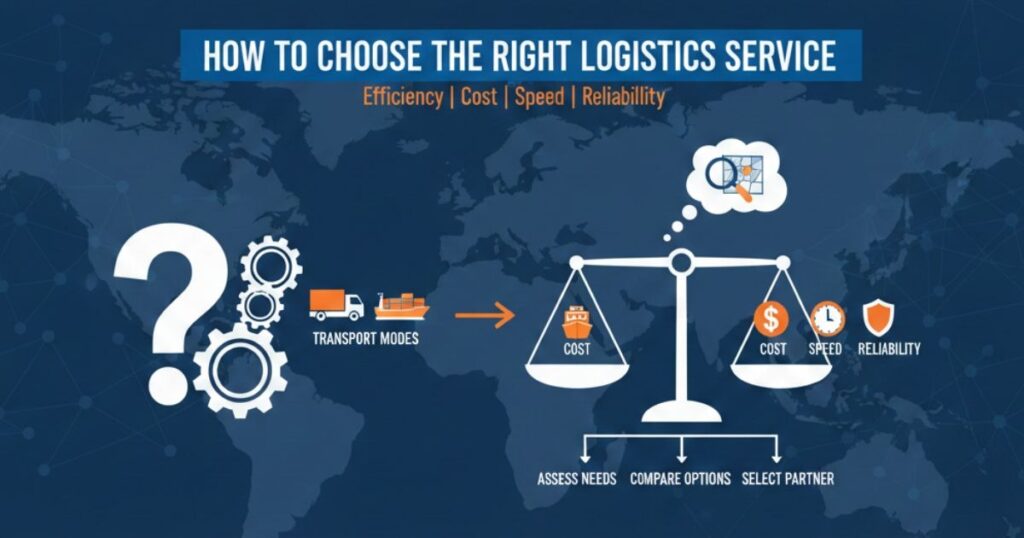
Choosing the right logistics service in Pakistan might feel overwhelming with so many options available. From sea and air freight to road transport and multimodal solutions, the choice depends on your shipment type, budget, and urgency. With the right guidance, you can make smarter decisions and ensure your goods reach their destination safely and on time.
Consider Your Shipment Size and Type
First, think about the size of your shipment. If you have a full container load (FCL), sea freight is usually the most cost-effective option. Smaller shipments or less than container loads (LCL) are perfect for businesses that want to save on shipping costs without compromising reliability. Air freight works best for urgent or high-value items like electronics, garments, or perishable goods.
Evaluate Transit Time vs Cost
Time and cost often go hand in hand. Sea freight is economical but slower, while air freight delivers fast but at a higher price. Road and inland transport can add flexibility and help you reach cities away from major ports. Multimodal options combine these methods to strike the perfect balance between speed and budget.
Check Value-Added Services
Reliable logistics providers offer more than just shipping. Look for services like warehousing, bonded storage, cargo consolidation, and door-to-door delivery. Providers like Speedaf Logistics ensure every step is handled efficiently, from selecting the best port route to inland transport and final delivery. Specialized services for heavy cargo, vehicles, or temperature-sensitive goods can also make a difference for certain industries.
Consider Reliability and Experience
A trusted logistics partner can save you from headaches like delays, damaged cargo, or customs complications. Check the provider’s experience, reputation, and ability to manage documentation, HS codes, and customs clearance. Experienced providers will guide you through every step, making complex shipments feel simple.
Make Your Decision
By evaluating shipment size, transit time, cost, and available value-added services, you can choose a logistics service that suits your business perfectly. With expert partners like Speedaf Logistics, you don’t just ship goods, you gain peace of mind, efficiency, and support every step of the way.
Customs, Documentation, and Compliance
Shipping goods to Pakistan involves more than just moving them from one port to another. Proper customs clearance and documentation are essential to avoid delays, extra costs, or legal issues. Understanding these steps helps businesses manage shipments smoothly and confidently.
Required Documents for Shipping
Every shipment requires proper paperwork to clear customs. Common documents include:
- Bill of lading or airway bill
- Commercial invoice and packing list
- Import license (if applicable)
- Certificate of origin
Having these documents ready and accurate speeds up the clearance process and ensures compliance with Pakistani regulations.
HS Codes and Duties
HS codes classify goods for customs and determine the applicable duties and taxes. Using the correct HS code is critical because mistakes can lead to delays, fines, or overpayment of taxes. Experienced logistics providers like Speedaf Logistics help you classify your goods correctly, calculate duties, and avoid surprises.
Import Regulations and Compliance
Pakistan has specific rules for importing different types of goods. Restricted items, hazardous materials, perishable products, and vehicles require additional permits or certifications. Staying compliant with these regulations protects your shipment and prevents unnecessary complications at the port.
How to Avoid Common Customs Issues
Many shipments face delays due to incomplete or incorrect documentation, incorrect HS codes, or misunderstanding of import rules. Working with a knowledgeable logistics partner ensures:
- Accurate paperwork
- Timely submission of required documents
- Smooth communication with customs authorities
Why Compliance Matters
Proper customs clearance and compliance are more than just legal requirements; they save time, reduce costs, and protect your business reputation. When shipments are cleared efficiently, you can focus on growing your business rather than worrying about delays or penalties.
Conclusion
Professional logistics services are the backbone of efficient business operations. From transportation and warehousing to international shipping and supply chain management, the right logistics partner ensures your goods reach their destination safely, on time, and cost-effectively. Choosing a trusted logistics service enhances efficiency, reduces operational challenges, and drives business growth.
FAQs
What are logistics services?
Logistics services involve planning, managing, and executing the storage, transportation, and delivery of goods efficiently.
How can logistics services benefit my business?
They streamline supply chains, reduce delivery times, lower costs, and improve customer satisfaction by ensuring timely and safe deliveries.
What types of logistics services are available?
Services include transportation, freight forwarding, warehousing, inventory management, packaging, and supply chain optimization.
How do logistics companies handle international shipments?
They provide customs clearance, documentation, shipping options (air, sea, land), tracking, and ensure compliance with import/export regulations.
How do I choose the right logistics service provider?
Look for reliability, experience, transparent pricing, tracking capabilities, coverage area, and positive client reviews.