
Shipping from China to Pakistan is a vital route for businesses and individuals importing goods. Understanding the cost, delivery time, and available shipping methods helps you choose the most efficient and affordable option. Whether by air, sea, or courier, knowing the pros and cons of each ensures your shipment arrives safely and on time.
Understanding Your Shipping Methods
Think of moving goods like planning a vacation. You can fly, take a boat, or drive. Each choice has its own price and speed. Let us look at the best ways to move your stuff.
Air Freight: The Need for Speed
Do you need your products right now? Air freight China to Pakistan is your best friend. It is just like flying on a plane. Your goods are loaded onto an aircraft and zipped across the sky.
The best part? It is super fast. Your boxes can arrive in just 3 to 5 days. The downside? It costs more money. You pay for the speed. This method is perfect for small, light, or very expensive items like smartphones or delicate jewelry. If you are looking for reliable air cargo services from China to Pakistan, many great airlines can help you out.
Sea Freight: The Budget Saver
If you have big, heavy things to move like furniture or heavy machinery—sea freight China to Pakistan is the way to go. Your items get packed into massive metal boxes called shipping containers. Then, a giant ship carries them across the ocean.
Sea shipping takes longer. You might wait 20 to 30 days for your items to arrive at ports like Karachi. But the money you save is huge! It is hands down the most cost-effective bulk sea shipping from China.
DDP Shipping: The Stress-Free Choice
DDP stands for “Delivered Duty Paid.” I like to call it the “Do Not Panic” method. With DDP shipping China to Pakistan, the shipping company does all the hard work for you. They pick up the goods, handle all the confusing paperwork, pay the taxes, and deliver the boxes right to your front door. It is the perfect end-to-end logistics solutions for China to Pakistan.
Multimodal Shipping: The Team Effort
Sometimes, one type of transport is not enough. Multimodal shipping means mixing things up. Your goods might travel on a ship first, then jump onto a train, and finally take a ride on a truck to reach your warehouse. It is a great team effort to get your items exactly where they need to be.
How to Choose the Right Shipping Method?
So, how do you pick the winner? It all comes down to three simple questions:
- How much money do you want to spend? If you are on a tight budget, pick sea freight. It is usually the cheapest shipping methods from China to Pakistan.
- How fast do you need it? If your customers are waiting and you are running out of stock, pick air freight.
- What are you moving? Heavy items belong on a ship. Light, expensive items belong on a plane.
A Quick Case Study
Imagine you own a toy store. You just ordered 5,000 teddy bears for a big holiday sale next month. They are bulky, but you have plenty of time. Sea cargo consolidation is your best bet.
Now, imagine you sell custom watches. You just got an order for 50 watches that need to be delivered next week. You should definitely use air cargo logistics Pakistan to get them there on time!
Cost Breakdown for Moving Your Goods
Talking about money can be scary, but we will make it simple. Knowing your costs helps you keep your hard-earned profits.
Air Freight Costs: Paying by the Kilo
When you fly your goods, you pay by weight. The heavier your box, the more you pay. This is why air freight cost from China to Pakistan can add up quickly if you are moving heavy items.
Sea Freight Costs: FCL vs. LCL
When using shipping containers for bulk goods from China to Pakistan, you have two choices:
- FCL (Full Container Load): You rent the entire metal box. It is like renting a private car. You pay a flat rate, and the whole space is yours.
- LCL (Less than Container Load): You only have a few pallets, so you share the metal box with other people’s stuff. It is like taking a bus. You only pay for the space you actually use.
Watch Out for Hidden Costs
Do not let surprise fees sneak up on you! Always ask your logistics company in Pakistan about extra charges. You might have to pay import duties and taxes for goods from China, port fees, or money for insurance. Using an online freight rate calculator for China to Pakistan is a super smart way to guess your total costs before you start.
Customs Clearance and Documentation
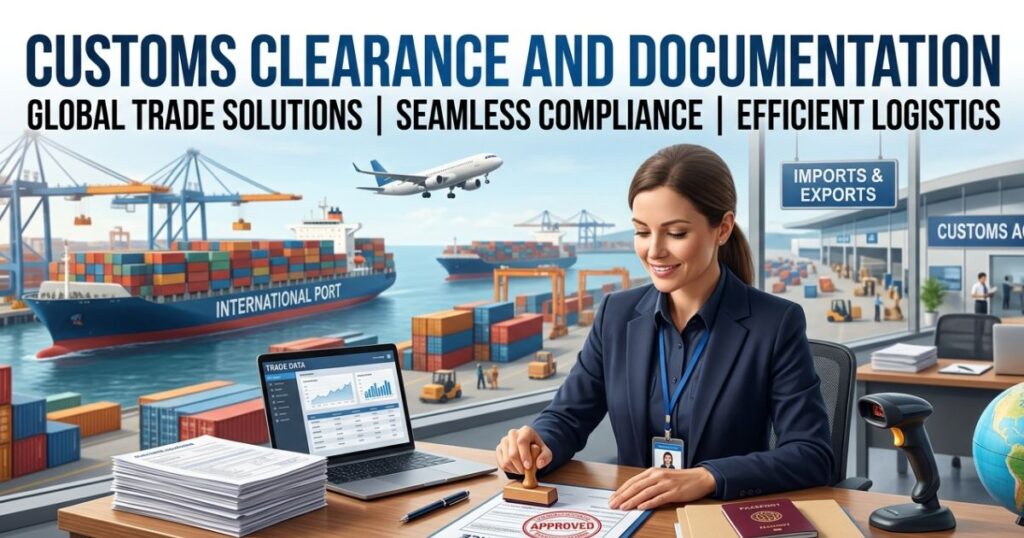
Customs is like the security guard at the border. They check every single box to make sure everything is safe and legal. To get past the guard smoothly, you need the right paperwork.
Essential Documents for Importing Goods
Think of these documents as a permission slip for your products. You will need:
- A Commercial Invoice: A receipt showing what you bought and how much it cost.
- A Packing List: A list of every single item inside your boxes.
- A Bill of Lading: A ticket that proves your goods were loaded onto the ship or plane.
Navigating Pakistan’s Customs Regulations
Every country has rules about what can and cannot come inside. Working with expert customs clearance agents in Pakistan is a lifesaver. They know all the rules and will talk to the security guards for you. They also know all about the China-Pakistan Free Trade Agreement (FTA), which can actually save you money on taxes!
Halal Certification: What You Need to Know
If you are importing food, drinks, or makeup, pay close attention! Pakistan requires a Halal certification for imports in these categories. This piece of paper proves your items follow Islamic rules. Without it, your products will get stuck at the border.
Packaging and Labeling for Safe Transit
Imagine putting a fragile glass vase into a thin cardboard box and tossing it onto a bumpy truck. Smash! That is a nightmare. Good packaging keeps your products safe and makes your customers happy.
Best Practices for Fragile Items
If your items can break easily, wrap them up like a mummy. Use lots of bubble wrap, foam, and sturdy boxes. Tell your factory to pack the items so tightly that they do not wiggle even a tiny bit. Proper packaging and labeling for transit show you care about your business.
Labeling Requirements for Customs
Your boxes need name tags! A clear label tells the shipping team and the customs guards exactly what is inside. Make sure your labels show the weight, the destination, and the country of origin. If a box is fragile, put a big, bright sticker on it so the workers handle it gently.
What Are the Common Challenges?
Even the best plans can hit a bump in the road. Here are a few headaches you might face and how to fix them.
Delays at Customs
Sometimes, the border guards take a long time to check your boxes. This usually happens if your paperwork is messy or missing. To avoid this, double-check your permission slips! Better yet, use a top-notch freight forwarder from China to Pakistan to handle the messy details.
Managing Shipping Risks
Storms happen. Boxes get dropped. Things can go missing. It is a sad reality of moving things across the world. The best way to protect your feelings—and your wallet—is to buy shipping insurance. If something goes wrong, the insurance company will pay you back. It gives you incredible peace of mind.
Real-Time Cargo Tracking: How It Works
Do you love watching the map on your phone when you order a pizza? You can do the exact same thing with your international cargo!
Tools and Platforms for Tracking
Most modern shipping lines China to Pakistan give you a special tracking number. You just type this number into their website, and a map shows you exactly where your boxes are. Are they on a ship in the middle of the ocean? Are they waiting at the port in Karachi? You will always know!
Benefits of Real-Time Updates
When you know where your goods are, you can plan your business better. If you see your items will arrive on Tuesday, you can tell your customers to get ready to shop on Wednesday. It removes the mystery and keeps everyone happy.
Sustainable Shipping Solutions
We all love making money, but we also love our beautiful planet. Did you know you can run your business and help the earth at the same time? It is true!
Eco-Friendly Packaging Options
Instead of using cheap plastic that takes a thousand years to break down, ask your factory to use recycled cardboard and paper tape. It is a tiny change, but it makes a massive difference for the oceans and forests. Your customers will also love knowing that you care about the environment.
Reducing Your Carbon Footprint
Airplanes burn a lot of fuel. Ships burn fuel too, but they carry so many boxes at once that the pollution per box is much lower. If you want to be an eco-hero, try to use sea freight instead of air freight whenever you can. Planning ahead allows you to take the slower, greener route.
Pulling It All Together
We have covered a massive amount of ground today. You are no longer a beginner; you are officially ready to tackle the world of international trade.
Let us do a super quick review of your new superpower skills. You now know:
- How to choose between flying your goods or sailing them across the ocean.
- Why DDP services are the absolute best for a stress-free life.
- How to pack your boxes so nothing ever gets broken.
- Why paperwork and Halal certificates are your golden tickets past the border guards.
- How to track your giant boxes just like a hot, cheesy pizza.
Doing business internationally is a fantastic adventure. Yes, figuring out how to ship goods from China to Pakistan can feel a little scary at first. But once you do it a few times, it becomes as easy as riding a bicycle. You just need to follow the steps, stay organized, and work with people you trust.
When you partner with reliable experts, China to Pakistan shipping [3/5] becomes a breeze. You stop worrying about lost boxes and start focusing on what you do best: growing your amazing business and making your customers smile.
Conclusion
Shipping from China to Pakistan is straightforward if you understand the costs, delivery times, and shipping methods. Air freight is best for speed, sea freight for bulk savings, and courier services for convenience. Always consider customs regulations and track your shipments to ensure timely delivery. Choosing the right method helps save money, reduce delays, and keep your goods safe.
FAQs
What is the average cost of shipping from China to Pakistan?
The shipping cost depends on the method you choose, package weight, and dimensions. Air freight is faster but more expensive, while sea freight is cheaper for bulk items. Courier services offer convenience for small parcels but at a moderate price.
How long does shipping from China to Pakistan usually take?
Delivery time varies by shipping method. Air shipping takes around 5–10 days, sea freight can take 20–40 days depending on the port, and express courier services usually deliver in 3–7 days. Customs clearance may add extra time.
Which shipping method is best for small parcels?
For small parcels, international courier services like DHL, FedEx, or UPS are ideal. They provide fast delivery, tracking, and door-to-door service, making them perfect for individual shipments or e-commerce orders.
How can I track my shipment from China to Pakistan?
Most shipping services provide a tracking number. You can monitor your package online through the courier’s website or app. Tracking updates include departure, customs clearance, and estimated delivery dates.
Are there customs duties for shipments from China to Pakistan?
Yes, Pakistan charges customs duties and taxes based on the type and value of goods. Make sure to declare items accurately to avoid delays or fines. Some courier services can handle customs clearance for a smoother process.