
Finding the cheapest shipping from China to Pakistan is important for importers, online sellers, and businesses looking to reduce delivery costs. Shipping methods like sea freight, consolidated cargo, and budget courier services can help save money while importing products from China. The best option depends on shipment size, delivery speed, and product type. Comparing freight forwarders and shipping companies can help businesses choose affordable and reliable shipping solutions.
How to Ship from China to Pakistan Affordably
Securing a great rate requires more than just picking the first courier you find on Google. Follow these steps to lock in the lowest possible price.
Step 1: Calculate your exact weight and dimensions
Carriers charge based on either actual weight or volumetric weight (the amount of space a package takes up). Always measure your goods accurately. If you are shipping a box of feathers, you will pay for the size of the box, not the weight. Shrink-wrap and compress your packaging whenever possible to reduce volumetric charges.
Step 2: Choose the right shipping method
Don’t pay for air freight if you don’t need your items tomorrow. Sea freight is drastically cheaper for bulky goods. If you have time on your side, book a spot on a cargo ship. Reserve air freight strictly for high-margin, time-sensitive electronics or urgent medical supplies.
Step 3: Consolidate your shipments
If you are buying from three different suppliers in Shenzhen, do not ship three separate boxes. Use a freight forwarder with a warehouse in China to combine your orders into one single shipment. You only pay customs clearance fees once, and bulk weight tiers unlock cheaper per-kilogram rates.
Step 4: Lock in Incoterms with your supplier
Incoterms are international trade rules that dictate who pays for what. FOB (Free on Board) is usually the safest bet. Under FOB, your supplier pays to get the goods to the Chinese port, and you take control from there. This prevents suppliers from adding hidden markups to the shipping leg.
Factors That Influence Shipping Costs
Before you finalize a budget, you need to understand the variables that make freight prices fluctuate.
- Weight and Volume: The fundamental metric of logistics. As mentioned, couriers calculate cost using the higher of the actual weight or volumetric weight.
- Fuel Surcharges: The cost of oil dictates the cost of movement. Carriers adjust their fuel surcharges monthly, meaning a quote from January might not be valid in June.
- Seasonality: Shipping during the weeks leading up to the Chinese New Year or Golden Week will cost you a premium. Demand skyrockets, cargo space vanishes, and prices double.
- Port of Origin and Destination: Shipping from a massive hub like Shanghai to Karachi is highly efficient and cheap. Moving goods from a remote Chinese province to a landlocked city in Pakistan requires truck transfers, which drives up the price.
- Customs Duties and Taxes: Pakistan imposes various import duties based on the HS Code (Harmonized System code, a standardized numerical method of classifying traded products). Misclassifying your product can lead to massive fines.
Expert Insights Choosing the Best Freight Forwarder
After managing hundreds of cross-border shipments, we have learned that your freight forwarder makes or breaks your profit margin. A forwarder acts as your travel agent for cargo—they book the space, handle the paperwork, and troubleshoot delays.
Do not just hunt for the lowest initial quote. Cheap forwarders often hide fees. They will quote you a rock-bottom ocean freight rate, only to hit you with exorbitant terminal handling charges once the goods arrive in Karachi.
Look for a forwarder with established offices in both China and Pakistan. Ask them for an itemized quote that includes origin fees, freight charges, destination fees, and customs clearance charges. If they cannot provide a transparent breakdown, walk away.
Halal-Certified Shipping for Food Imports
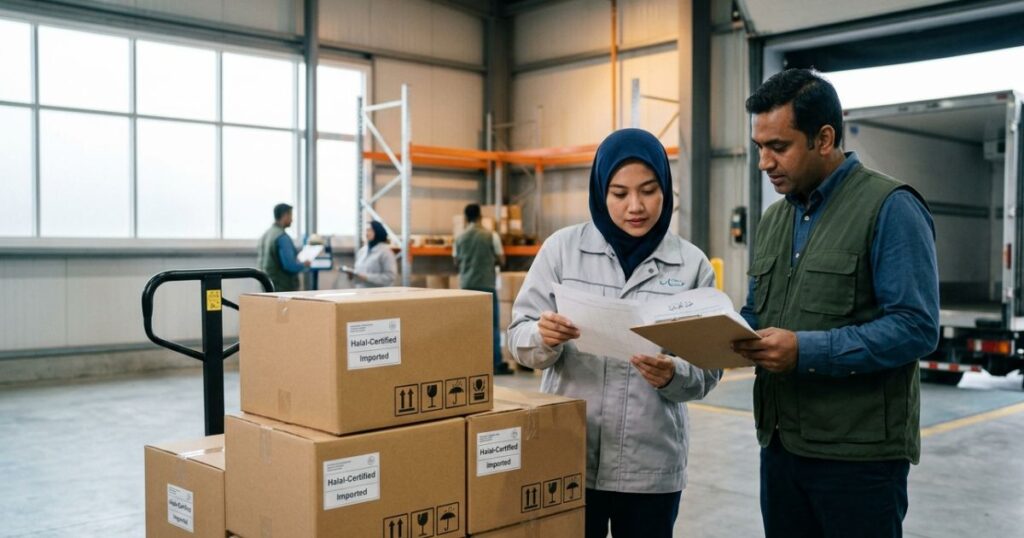
Halal-certified shipping for food imports is becoming increasingly important for businesses that supply halal food products to Muslim consumers worldwide. This shipping process ensures that imported food items are transported, stored, and handled according to halal standards without contamination from non-halal products. Businesses involved in food imports must work with reliable logistics providers that understand halal compliance and international food safety regulations.
Importance of Halal Compliance in Food Shipping
Maintaining halal integrity during transportation is essential for protecting consumer trust and meeting international halal certification requirements. Halal-certified shipping helps prevent cross-contamination by ensuring proper packaging, storage, and handling throughout the supply chain. This is especially important for meat products, processed foods, and organic food imports entering Muslim-majority markets.
Choosing the Right Halal Logistics Partner
Selecting a trusted halal logistics provider can improve shipping efficiency and ensure compliance with global halal standards. Experienced shipping companies understand the documentation, inspection, and storage requirements needed for halal food imports. Businesses should choose partners that offer transparent handling processes, certified facilities, and strong experience in international food transportation.
Question-Based Headings
What Is the Cheapest Way to Ship from China to Pakistan?
The absolute cheapest method depends entirely on the size of your load.
For tiny packages (under 2 kg), China Post is unbeatable. For medium shipments (20 kg to 100 kg), standard sea freight (LCL) is highly economical. If you are moving massive quantities of commercial goods, booking a Full Container Load (FCL) by sea will give you the lowest cost per unit.
How Long Does Shipping from China to Pakistan Take?
Time is money, but saving money requires time. Here is a breakdown of what to expect when moving goods across this route.
| Shipping Method | Estimated Transit Time | Best For |
| Express Courier (DHL/FedEx) | 3 to 7 days | Urgent documents, high-value small items |
| Standard Air Freight | 5 to 10 days | Medium-weight goods needed quickly |
| Sea Freight (FCL) | 14 to 20 days | Large bulk orders, vehicles, machinery |
| Sea Freight (LCL) | 15 to 25 days | Palletized goods, wholesale inventory |
| China Post / ePacket | 15 to 30+ days | Tiny, low-value e-commerce parcels |
What Documents Are Required for Customs Clearance?
Missing paperwork is the number one cause of border delays. Ensure you have these documents ready before your cargo leaves China:
- Commercial Invoice: A detailed bill of sale stating the exact value, quantity, and description of the goods.
- Packing List: A structural breakdown of how the goods are packed, including weights and dimensions.
- Bill of Lading (B/L): The official receipt issued by the carrier. You need this to claim your goods in Pakistan.
- Certificate of Origin: A document proving the goods were manufactured in China. This is crucial for utilizing the China-Pakistan Free Trade Agreement (CPFTA) for reduced tariffs.
- Import General Manifest (IGM): Filed by the carrier upon arrival to notify Pakistani customs of the incoming goods.
Expert Insights Common Mistakes to Avoid
Many businesses fail to achieve long-term success because they overlook important strategies and repeat common industry mistakes. Experts recommend focusing on proper planning, market research, customer satisfaction, and consistent quality to avoid unnecessary losses. Whether running an online business, import company, skincare brand, or SEO service, understanding common mistakes can help improve business growth and decision-making.
Lack of Planning and Poor Customer Focus
One of the most common mistakes businesses make is starting without a clear strategy or understanding of customer needs. Ignoring market trends, poor communication, inconsistent service quality, and weak branding can negatively impact business growth. Experts suggest building strong customer relationships, maintaining high standards, and continuously improving products or services to stay competitive in the market.
Conclusion
Cheap shipping from China to Pakistan is possible with the right shipping method and logistics partner. Sea freight is usually the most cost-effective option for bulk orders, while air cargo works better for urgent deliveries. By planning shipments carefully and comparing rates, businesses can lower import costs and improve profitability in the long run.
FAQs
Can I track my shipment from China to Pakistan?
Yes. Whether you use an express courier like DHL or a sea freight forwarder, you will receive a tracking number or a Bill of Lading number. You can enter this on the carrier’s website to monitor your cargo in real time.
Are there restricted items I cannot ship to Pakistan?
Absolutely. Pakistan strictly prohibits the import of alcohol, pork products, counterfeit currency, unauthorized pharmaceuticals, and any materials deemed culturally offensive. Always check the latest guidelines from the Federal Board of Revenue (FBR) before shipping.
Do I have to pay import duties on personal items?
If you are shipping used personal effects, you may be eligible for duty exemptions. However, if customs officials suspect you are importing brand new electronics or commercial goods under the guise of “personal items,” they will tax you heavily.
What is the China-Pakistan Free Trade Agreement (CPFTA)?
The CPFTA is a bilateral treaty that drastically reduces or eliminates import tariffs on thousands of product categories moving between the two countries. To benefit from this, you must present a valid Certificate of Origin.
What happens if my shipment is damaged during transit?
If you did not purchase cargo insurance, you will likely absorb the loss. Carriers have limited liability, paying only a few dollars per kilogram for damaged goods. Always buy comprehensive cargo insurance for valuable shipments.