
Have you ever ordered something from another country and been hit with surprise fees when it arrived? It’s a frustrating experience that can turn an exciting purchase into a headache. Imagine if there was a way to ship goods internationally where all the tricky parts—like customs, taxes, and fees—were handled for you. That’s exactly what Delivered Duty Paid (DDP) is all about.
Think of it as the ultimate all-inclusive package for shipping. When you use Delivered Duty Paid (DDP) services, the seller takes care of everything. They are responsible for getting your package from their warehouse all the way to your front door. This includes paying for the shipping, handling all the customs paperwork, and covering any import duties or taxes. For you, the buyer, it means the price you see is the price you pay. No unexpected bills, no delays at the border, just simple, stress-free delivery.
In the world of international trade, this is a game-changer. It removes major barriers for businesses and individuals looking to buy or sell products across the globe. By making the shipping process transparent and predictable, DDP helps build trust and makes global commerce accessible to everyone, not just large corporations with teams of experts. It simplifies the entire journey, ensuring goods move smoothly from one country to another.
Why Choose DDP Services in Pakistan?
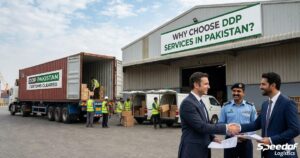
You might be wondering, “Why is Pakistan such a big deal for global trade right now?” Well, imagine a bustling marketplace that sits right at the crossroads of South Asia, the Middle East, and Central Asia. That’s Pakistan! It’s like a bridge connecting different parts of the world, making it a super strategic spot for buying and selling goods.
Because of this prime location, businesses are always looking for the smoothest way to get products in and out of the country. This is where Delivered Duty Paid (DDP) services come in to save the day.
Let’s be honest: dealing with international shipping can feel like trying to solve a puzzle with missing pieces. But DDP changes the game entirely. Here is why choosing DDP in Pakistan is a smart move for your business:
Book Our: Air DDP Services and SEA DDP Service
1. No More Surprise Costs
Have you ever bought something online, only to find out later that you owe extra money for taxes or customs fees? It’s the worst feeling! With DDP, that never happens. The price you see is the price you pay. All the costs—shipping, taxes, and duties—are calculated upfront. This means you can plan your budget down to the last rupee without worrying about hidden surprises.
2. We Handle the Boring Stuff (So You Don’t Have To)
Let’s face it, nobody likes paperwork. Filling out customs forms and trying to understand complex regulations can be a nightmare. When you choose DDP, the service provider handles all the boring, complicated stuff for you. They deal with the customs officials, fill out the forms, and make sure everything is legal and correct. You get to focus on growing your business while they handle the red tape.
3. Faster Delivery to Your Doorstep
Time is money, right? When goods get stuck at the border because of missing paperwork or unpaid fees, it slows everything down. Since DDP providers prepare everything in advance, your shipments fly through customs much faster. This means your products get to your doorstep—or your customer’s doorstep—quicker than ever.
4. Building Trust with Your Customers
If you are selling products to customers in Pakistan, using DDP makes you look like a superstar. Your customers won’t have to worry about paying extra fees when the delivery truck arrives. They just sign for the package and smile. This smooth experience builds trust and makes them want to buy from you again and again.
In short, choosing DDP services in Pakistan takes the stress out of shipping. It turns a complicated, risky process into a simple, predictable one. Whether you are a small business owner or a big company, it’s the secret weapon you need to succeed in this vibrant market.
How Does DDP Work?
So, you’re sold on the idea of stress-free shipping. But how does the magic actually happen? Let’s pull back the curtain and see how Delivered Duty Paid (DDP) services work in real life. It’s actually pretty straightforward when you break it down.
Imagine you are ordering a cool gadget from a supplier overseas. Here is the journey that gadget takes to get to your hands without you lifting a finger:
The Step-by-Step Journey
- ** The Agreement:** First, you and the seller agree on DDP terms. This is like shaking hands and saying, “You handle everything until it gets to my door.” You pay the seller a single price that covers the item, shipping, and all those pesky taxes.
- ** Pickup and Transport:** The seller arranges for a truck to pick up your gadget from their warehouse. They then put it on a ship or a plane heading to Pakistan.
- ** The Paperwork:** While your gadget is cruising across the ocean or flying through the sky, the seller’s logistics team is busy preparing all the documents. They make sure the commercial invoice and packing list are perfect so customs officers don’t have any reason to pause the shipment.
- ** Customs Clearance:** This is usually the scary part, but not with DDP! When the shipment arrives in Pakistan, the seller (or their partner) steps in. They talk to customs, pay the import duties and taxes on your behalf, and get the “green light” for entry.
- ** Final Delivery:** Once it clears customs, a local courier picks up your package and drives it to your specific address. You sign for it, open the box, and enjoy your new gadget. No extra bills, no trips to the customs office.
DDP vs. The Other Guys (FOB, CIF, and DDU)
Shipping terms can look like a bowl of alphabet soup. Let’s compare DDP to other common terms so you can see why DDP is often the VIP choice.
- FOB (Free On Board):
- The Deal: The seller just puts the goods on the ship. Once it’s on the boat, it’s your problem. You have to pay for the ocean freight, insurance, and handle everything when it arrives in Pakistan.
- The Vibe: High stress, high responsibility for you.
- CIF (Cost, Insurance, and Freight):
- The Deal: The seller pays to get the goods to a port in Pakistan. But once the ship docks? You are on your own. You have to handle customs clearance, pay the duties, and find a truck to get it to your warehouse.
- The Vibe: Helpful, but leaves you hanging at the last minute.
- DDU (Delivered Duty Unpaid) / DAP (Delivered at Place):
- The Deal: The seller brings the goods all the way to your door, but they don’t pay the taxes or duties. The courier might show up at your house and ask for cash before they hand over the package.
- The Vibe: So close, yet so annoying! It’s like getting a birthday present but having to pay to unwrap it.
- DDP (Delivered Duty Paid):
- The Deal: The seller does it all. Transport, insurance, customs, duties, and taxes. You just wait for the doorbell to ring.
- The Vibe: Pure relaxation.
Choosing DDP means choosing peace of mind. While other methods might look cheaper on paper initially, DDP saves you from the hidden costs and headaches that often pop up later.
What Are the Costs Involved in DDP Shipping?
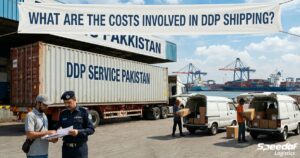
Let’s talk money. When you look at a price tag for DDP shipping, it might just look like one big, round number. But that number is actually like a sandwich—it’s made up of several different layers. Understanding what is inside that sandwich helps you know exactly what you are paying for and ensures you aren’t getting ripped off.
Since Delivered Duty Paid (DDP) services are all about transparency, let’s break down exactly where your money goes when you choose this shipping method.
The Breakdown: Where Does the Money Go?
Think of your shipment like a traveler going on an international vacation. Every step of the journey costs a little something. Here is the receipt broken down into simple terms:
- Freight Charges (The Plane or Boat Ticket):
This is the cost to actually move your box from Point A (the seller’s warehouse) to Point B (the destination port, like Karachi). If you choose air freight, it’s faster but costs more—like buying a first-class ticket. If you choose sea freight, it takes longer but is much cheaper—like taking a slow, comfortable bus. - Customs Duties (The Entry Fee):
Every country charges a fee to let goods cross its border. This is called a duty. In Pakistan, this fee changes depending on what you are bringing in. Importing luxury watches? The fee might be high. Importing textbooks? It might be very low. - Taxes (The Local Slice):
On top of the duty, the government also collects taxes, like Sales Tax or Value Added Tax (VAT). This is similar to the tax you pay when you buy a burger at a restaurant, but it applies to your imported goods. - Handling and Admin Fees (The Service Charge):
Remember how we said the DDP provider handles all the boring paperwork for you? Well, they charge a small fee for that effort. This covers the time their team spends filling out forms and talking to customs officers so you don’t have to. - Last-Mile Delivery (The Final Taxi Ride):
Once your goods arrive at the port and clear customs, they still need to get to your house or warehouse. This cost covers the local truck or courier that drives the package the final few miles to your doorstep.
How to Lower Your Costs (Without Breaking the Rules)
Just because DDP handles everything doesn’t mean you can’t save a few rupees. You want to be smart about your shipping without cutting corners on the law. Here are a few tricks of the trade:
- Pack It Tight: Shipping companies often charge based on how much space your box takes up, not just how heavy it is. If you ship a small item in a giant box full of air, you are paying to ship air! Ask your supplier to pack things tightly to reduce the volume.
- Pick the Right ID Card (HS Codes): Every product has a specific code called an HS Code. This code tells customs what the item is. Sometimes, a product could fit into two categories—one with a high tax and one with a low tax. ensuring your provider uses the most accurate (and legal) code can save you a bundle.
- Consolidate Your Orders: Shipping ten small boxes is almost always more expensive than shipping one big box. If you can, wait until you have a larger order and ship it all at once. It’s like buying in bulk at the grocery store—the price per item goes down.
By understanding these costs, you can budget better and keep more profit in your pocket!
Industries That Benefit Most from DDP Services
You might think that shipping is the same for everyone, but some industries face way more hurdles than others when moving goods across borders. For these specific sectors, Delivered Duty Paid (DDP) services aren’t just a convenience—they’re a total game-changer. Let’s look at which industries get the biggest boost and why this all-inclusive shipping method is their secret weapon.
eCommerce: The Kings and Queens of Customer Happiness
If you run an online store, your reputation is everything. One bad delivery experience can lead to a negative review that scares away hundreds of potential customers. This is where DDP shines. When you sell products to customers in Pakistan from another country, DDP ensures a seamless and delightful experience.
Your customer clicks “buy,” pays a single, clear price, and waits for their package. They don’t get a surprise call from customs asking for more money, and they don’t have to deal with confusing paperwork. The result? A happy customer who is more likely to leave a glowing review and become a loyal, repeat buyer. For eCommerce businesses, DDP is the key to building trust and creating an amazing customer journey from checkout to delivery.
Tech and Electronics: High Value, High Stakes
Think about shipping expensive laptops, smartphones, or sensitive server equipment. The last thing you want is for these high-value items to get stuck at the border or, even worse, get damaged or lost in a customs warehouse. The tech industry needs speed, security, and predictability.
DDP provides exactly that. The process is streamlined, which means less handling and fewer opportunities for items to be misplaced or damaged. Since all duties and taxes are paid upfront, these valuable electronics clear customs quickly, reducing the risk of them sitting around in a warehouse. This allows tech companies to get their products to market or into their data centers faster and with much less worry.
Pharmaceuticals and Medical Supplies: When Time Is Critical
For the pharmaceutical and medical industries, shipping isn’t just about business—it can be a matter of health. Life-saving medicines, sensitive medical devices, and urgent hospital supplies can’t afford to be delayed. A shipment stuck in customs for days or weeks could have serious consequences.
DDP is a perfect fit for this high-stakes environment. By handling all customs regulations and payments in advance, DDP minimizes delays and ensures that these critical supplies reach hospitals, clinics, and patients as quickly as possible. The process is smooth and efficient, providing the reliability that the healthcare sector depends on.
Automotive: A World of Parts
A single car is made up of thousands of parts, often sourced from dozens of different countries. For car manufacturers and repair shops in Pakistan, managing the import of all these different components can be an absolute logistical nightmare. Each part might have a different customs classification and tax rate.
DDP simplifies this incredibly complex supply chain. Automotive businesses can rely on their DDP provider to manage the import of everything from tiny screws to entire engine blocks. This ensures that the assembly line keeps moving and that repair shops have the parts they need to get vehicles back on the road. Instead of juggling dozens of shipments and customs declarations, they have one partner who handles it all.
For these industries, DDP is more than just a shipping option; it’s a powerful tool that helps them operate more efficiently, serve their customers better, and grow their business with confidence.
How to Choose the Right DDP Provider in Pakistan?
Choosing a partner to handle your international shipping is a big decision. It’s like hiring a co-pilot for your business journey; you need someone you can trust to navigate the tricky parts. With so many companies offering Delivered Duty Paid (DDP) services, how do you find the one that’s a perfect fit for you in Pakistan? It’s not about picking the cheapest option. It’s about finding a reliable partner who will make your life easier.
Let’s go through the key things you should look for to separate the experts from the amateurs.
1. Experience is Not Just a Number
You wouldn’t want a brand-new driver taking your expensive car for a spin, right? The same goes for shipping. Look for a provider with a proven track record of handling shipments specifically to Pakistan. They should know the local customs rules inside and out. An experienced provider has seen it all—from unexpected port delays to sudden changes in tax laws—and knows exactly how to handle these situations without causing you stress.
2. Transparency is Everything
A great DDP provider is an open book. They should be upfront about all their costs, with no hidden fees waiting to jump out at you later. When you get a quote, it should clearly break down where your money is going. If a company is vague about its pricing or can’t give you a clear answer about potential charges, that’s a big red flag. You want a partner who is honest, not one who plays games with your money.
3. Amazing Customer Support
What happens when you have a question or when something doesn’t go as planned? This is when a company’s true colors show. A top-notch DDP provider will have a friendly and responsive customer support team. You should be able to easily reach a real human who can give you clear answers and help solve your problems. Avoid companies where you can only communicate through a generic email address or get stuck in an endless phone menu.
Questions to Ask Before You Commit
Think of this as a job interview for your potential shipping partner. Don’t be shy about asking tough questions. Their answers will tell you a lot about the kind of service you can expect. Here are a few essential questions to get you started:
- “Can you share a case study or an example of a similar shipment you’ve handled to Pakistan?” This helps you see if they have real-world experience relevant to your needs.
- “What is included in your quote, and what are the potential extra charges?” This pushes for that all-important transparency.
- “How will you keep me updated on my shipment’s status?” This tells you about their communication style and if they use modern tracking tools.
- “Who is my main point of contact if I have a problem?” This helps you know if you will have a dedicated person to help you or if you’ll be bounced around a call center.
Finding the right DDP provider in Pakistan is about finding a team that has your back. By focusing on experience, honesty, and great support, you can build a partnership that helps your business thrive.
Common Challenges in DDP Shipping and How to Overcome Them
Even with the best plans, international shipping can sometimes feel like a roller coaster ride. While Delivered Duty Paid (DDP) services are designed to smooth out the bumps, it doesn’t mean the road is always perfectly paved. There are still a few hurdles that can pop up along the way. But don’t worry! For every problem, there is a smart solution.
Let’s look at the most common challenges you might face when shipping to Pakistan and, more importantly, how to leap over them like a pro.
1. The Maze of Customs Regulations
Pakistan has specific rules about what can come in and how much tax needs to be paid. Sometimes, these rules can change without much warning. Imagine trying to play a board game where someone keeps changing the instructions—confusing, right?
The Challenge:
If your paperwork isn’t perfect, your shipment can get stuck at the border. Customs officers might hold your goods while they ask questions or demand extra documents. This leads to delays that no one wants.
The Solution:
The secret weapon here is preparation. Don’t try to guess the rules. Work closely with your DDP provider to ensure every single detail on your commercial invoice is accurate. Make sure your product descriptions are crystal clear. Instead of writing “machine parts,” write “steel gears for textile machinery.” The more specific you are, the faster customs can say “yes.”
2. Unexpected Delays
We all hate waiting. Whether it’s bad weather at sea, a traffic jam at the port, or a busy holiday season like Eid, delays can happen. When your goods are late, your customers get unhappy, and that’s bad for business.
The Challenge:
You promised your customer their package would arrive in 10 days, but it’s been 15 days and the tracking hasn’t moved. Frustration starts to build up.
The Solution:
Build a safety buffer into your timeline. If shipping usually takes 20 days, tell your customers it might take 25. It’s always better to under-promise and over-deliver. Also, try to avoid shipping during peak holiday seasons if you can, or book your space on the ship well in advance. Planning ahead is the best way to beat the clock.
3. Compliance and Restricted Items
Did you know that some items need special permission to enter Pakistan? Things like certain chemicals, batteries, or food items might require extra certificates.
The Challenge:
You send a shipment, only to find out later that it contains a restricted item. Now it’s stuck, and you might face a fine or have to pay to ship it back. Ouch!
The Solution:
Always check the “No-Go” list before you ship. Your DDP provider should be an expert on this. Ask them specifically: “Is there anything in my shipment that needs a special permit?” A quick 5-minute check before the truck leaves the warehouse can save you weeks of headaches later.
4. Communication Breakdowns
Sometimes, the biggest challenge is just not knowing what is going on. If your provider goes silent, you are left in the dark, wondering where your valuable goods are.
The Challenge:
You email your shipping partner for an update and don’t hear back for three days. You start to panic, imagining your box floating lost in the ocean.
The Solution:
Choose a partner who loves to chat! Look for DDP providers who offer real-time tracking tools so you can see exactly where your shipment is on a map. Establish a clear line of communication from day one. knowing who to call when you are worried makes all the difference.
Shipping doesn’t have to be scary. By knowing these common pitfalls and having a plan to tackle them, you can keep your business moving forward smoothly. Remember, a little preparation today saves a lot of panic tomorrow!
What Documents Are Required for DDP Shipping?
Paperwork. The word alone is enough to make most people groan. It sounds boring, complicated, and tedious. But when it comes to international shipping, getting your documents right is one of the most important things you can do. Think of these papers as your shipment’s passport—without the correct information, it isn’t going anywhere.
The good news is that with Delivered Duty Paid (DDP) services, you don’t have to fill out these forms yourself. Your provider handles it. However, they still need the right information from you or your supplier to get the job done. Understanding what they need helps make the whole process faster and smoother for everyone.
Let’s look at the three most important pieces of paper in the shipping world.
1. The Commercial Invoice: The Shipment’s ID Card
This is the most critical document of all. The commercial invoice tells customs officers everything they need to know about your shipment. It’s not just a receipt; it’s a detailed declaration of what’s inside your box.
What it includes:
- Who is sending the package (the seller) and who is receiving it (you).
- A clear and detailed description of each item.
- How many of each item there are.
- The value of each item.
- The total value of the shipment.
Pro Tip for Success:
Be specific! Vague descriptions are a major red flag for customs. Don’t just write “clothing.” Instead, write “100 units of men’s blue cotton t-shirts.” The more detail you provide, the less reason customs has to stop and inspect your package. Also, always declare the true value of your goods. Trying to cheat the system by undervaluing your items can lead to hefty fines and long delays.
2. The Packing List: The “What’s in the Box” Guide
If the commercial invoice is the ID card, the packing list is the detailed map of your shipment. It tells everyone involved—from the warehouse staff to the customs officers—exactly how your goods are packed.
What it includes:
- The number of boxes in the shipment.
- The weight and dimensions of each box.
- A list of what is inside each specific box.
Pro Tip for Success:
This document is especially important if you are sending multiple boxes. It helps the receiver quickly check if everything has arrived correctly. Make sure the information on the packing list perfectly matches the actual contents. Any difference can cause confusion and delays.
3. HS Codes: The Secret Language of Customs
HS stands for “Harmonized System.” It’s a universal code used by customs authorities around the world to classify products. Every single item you can think of, from a paperclip to a passenger jet, has a specific HS code. This code determines how much duty and tax you need to pay.
What it includes:
- A six- to ten-digit number that identifies your product. For example, the code for a coffee mug might be 6912.00.
Pro Tip for Success:
Getting this code right is crucial for avoiding overpayment or fines. A small mistake can mean paying a much higher tax rate than you should. While your DDP provider should be an expert on this, providing them with a highly detailed product description makes their job much easier. You can ask your supplier for the correct HS code, as they often have this information readily available.
By making sure these three key pieces of information are accurate from the very beginning, you set your shipment up for success. It’s a simple step that helps your provider clear your goods through customs quickly, ensuring a truly hassle-free shipping experience.
The Role of Importer of Record (IOR) in DDP
Have you ever tried to join a club, only to be told you need a member to sign you in? International shipping can feel a bit like that. Sometimes, even if you have the goods and the money, the government says, “Wait a minute, who here in Pakistan is actually responsible for this stuff?”
This is where a mysterious hero called the Importer of Record (IOR) steps in. It sounds like a fancy title, but the concept is actually super simple. Let’s break it down so you can see why it’s a total lifesaver for your business.
What on Earth is an Importer of Record?
Imagine you are sending a shipment of laptops to Pakistan. When those laptops arrive at the border, the customs officer looks around and asks, “Okay, who is the legal owner of these right now? Who is going to pay the taxes? Who do I call if there is a problem?”
If you don’t have an office or a registered business entity inside Pakistan, you can’t raise your hand. You are technically a stranger.
An Importer of Record (IOR) is a local company or entity that raises its hand for you. They basically say to the customs officer, “I’ll take responsibility for these goods. I’ll handle the paperwork, pay the duties, and make sure everything is legal.”
They act as the official “owner” of the goods just for the short time it takes to clear customs. Once the goods are cleared, they hand them over to the final destination.
Why Do You Need an IOR for DDP?
When you use Delivered Duty Paid (DDP) services, the whole point is that you don’t want to worry about the messy details. You just want the package delivered.
But here is the catch: to pay duties and taxes in Pakistan, you often need a local tax ID number. If you are a seller sitting in London, New York, or Shanghai, you probably don’t have a Pakistani tax ID.
This is why the IOR is the secret ingredient in the DDP recipe.
- No Local Office? No Problem!
Without an IOR, you would likely need to set up your own branch office in Pakistan just to import goods. That means renting a building, hiring staff, and dealing with a mountain of legal paperwork. It’s expensive and slow. With an IOR service, you skip all that. You can sell to customers in Pakistan without ever setting foot in the country. - They Handle the Legal Heat
Importing goods comes with legal responsibilities. The government wants to ensure the products are safe and that all taxes are paid. The IOR takes on this legal burden. They ensure compliance with local laws so you don’t have to spend hours reading legal textbooks. - Smooth Sailing Through Customs
Customs officers love IORs because they are usually established, trusted local companies. When an officer sees a reputable IOR on the paperwork, they know the shipment is legitimate. This often speeds up the clearance process, meaning your customers get their orders faster.
The Perfect Match for Global Sellers
Think of the IOR as your local best friend. They have the ID card, the local knowledge, and the legal standing to get things done.
If you are an international brand or an eCommerce seller, using an IOR as part of your DDP strategy is a no-brainer. It removes the biggest barrier to entry—the need for a local presence. It allows you to test the Pakistani market and grow your sales without the massive headache of setting up a local company.
So, the next time your shipment breezes through customs without you lifting a finger, you can silently thank the Importer of Record for raising their hand so you didn’t have to!
Frequently Asked Questions About DDP
What is the biggest difference between DDP and DDU?
This is the number one question we get! It’s like asking the difference between an all-inclusive resort and a hotel where you pay for every meal separately.
- DDP (Delivered Duty Paid): The seller pays for everything. Shipping, taxes, duties—it’s all covered. The buyer just receives the package.
- DDU (Delivered Duty Unpaid): The seller pays for shipping, but stops paying once the goods arrive in the destination country. The buyer then has to pay the taxes and duties before they can get their hands on the goods.
With DDP, the buyer relaxes. With DDU, the buyer has to do some work and pay extra fees upon arrival.
Is DDP shipping suitable for small businesses?
Absolutely! In fact, it’s often better for small businesses. If you are just starting out, you probably don’t have a team of logistics experts or lawyers to handle customs paperwork. DDP takes that burden off your shoulders. It lets you focus on selling your products and growing your brand while the experts handle the tricky shipping stuff. It’s a great way to look professional and reliable without needing a huge infrastructure.
Can I use DDP for personal shipments?
Yes, you can! If you are sending a gift to a friend or family member in Pakistan, using DDP is a very thoughtful move. It ensures that your friend doesn’t get stuck with a bill for taxes when the delivery person arrives. Nothing ruins a surprise gift faster than asking the recipient to pay for it!
Does DDP take longer than other shipping methods?
Actually, it’s usually faster! Because all the paperwork and payments are handled before the goods even arrive at the border, customs officers can clear the shipment much quicker. There’s no waiting around for the buyer to send payment or sign documents. It’s like having a “Fast Pass” at an amusement park.
Who is responsible if the goods get damaged during DDP shipping?
Since the seller is responsible for the goods all the way to the buyer’s doorstep, the seller is usually liable for any damage that happens during the journey. This is another reason why buyers love DDP—it’s much less risky for them. However, it’s always a good idea to double-check the insurance terms with your specific provider just to be safe.
Conclusion
We have been on quite a journey through the world of international shipping, haven’t we? From understanding the hidden costs in that sandwich of fees to seeing how the “Importer of Record” acts as your local best friend, we’ve covered a lot of ground.
If there is one thing to take away from all of this, it’s that shipping doesn’t have to be a nightmare. It doesn’t have to be a guessing game where you cross your fingers and hope your package arrives without a scary bill attached to it.
By choosing Delivered Duty Paid (DDP) services, you are choosing simplicity. You are deciding that your peace of mind—and your customer’s happiness—is worth more than the headache of doing it the hard way. Whether you are a small business owner sending your first product abroad, a tech giant moving servers, or just someone sending a gift to a loved one, DDP removes the barriers that make global trade feel intimidating.
Let’s quickly recap why this is the smart move:
- No Surprises: You pay one clear price upfront. No hidden taxes, no secret fees.
- Total Convenience: Someone else handles the boring paperwork and customs arguments for you.
- Happy Customers: Your buyers get their goods faster and without paying extra at the door. That builds trust that money can’t buy.
The world is getting smaller every day, and doing business across borders should be as easy as doing business down the street. DDP is the bridge that makes that possible.
So, the next time you are ready to ship something to Pakistan, don’t let the fear of customs stop you. Remember that there is a way to ship that is smooth, transparent, and stress-free. Give DDP a try, and watch your business (and your relaxation levels) soar.
Ready to make your shipping hassle-free? It’s time to take the leap!