
China to Pakistan air cargo in 2026 is the fastest way to move goods between the two countries. Ideal for urgent shipments, electronics, and high-value items, air freight ensures quick transit times, reliable tracking, and secure handling. With major airport connections and streamlined customs processes, businesses can import products efficiently and meet tight deadlines.
What Does Air Cargo from China to Pakistan Actually Cost?
Air freight rates on the China–Pakistan corridor currently, based on market data compiled by SINO Shipping (February 2026) and Dantful Freight (2025). The spread is wide because rates shift weekly based on airline capacity, peak seasons (Chinese New Year, Golden Week), and your cargo’s volumetric weight.
What gets added on top:
- Fuel surcharge (FSC)
- Security surcharge
- AWB (Air Waybill) issuance fee
- Airport handling at origin and destination
- Pakistan customs duties and sales tax (varies by HS code)
- Door delivery from airport to your warehouse (separate local charge)
volumetric weight catches a lot of first-time shippers off guard. If your cargo is light but bulky, the airline charges based on the larger of actual weight vs. volumetric weight, calculated as: Length × Width × Height (cm) ÷ 6,000 = volumetric kg. A box of foam packaging that weighs 2 kg but measures 60×50×40 cm has a volumetric weight of 20 kg. You’re paying for 20 kg.
Quick Comparison
| Shipping Method | Best For | Key Benefit | Limitation |
| Air Freight (General) | 50–1,000 kg commercial cargo | Fast; 3–7 days airport-to-airport | Higher cost per kg than sea |
| Air Express (DHL/FedEx) | Urgent parcels under 70 kg | Door-to-door tracking, very fast | Expensive 20/kg |
| Road via CPEC | Heavy bulk, non-urgent | Cheapest option at ~7 working days | Route complexity; not ideal for fragile goods |
| Sea Freight | Container-load volumes | Lowest cost per kg | 20–30 days transit |
Some forwarders argue air express through DHL is worth it for shipments under 30 kg because the customs process is faster and more predictable. That’s valid when time is genuinely critical. But if you’re shipping 200+ kg of electronics or textiles, general air freight through a licensed freight forwarder will cut your per-kg cost by 50–70%.
Read More: What Is DDP in Shipping
How Long Does Air Cargo Take from China to Pakistan?
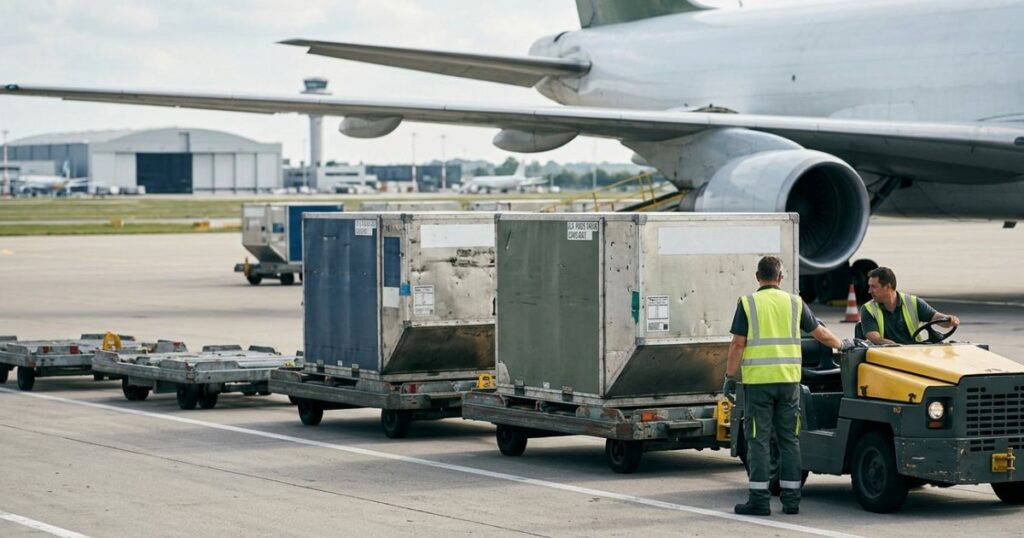
Airport-to-airport, you’re looking at 3–5 days on direct or one-stop routes. Add door-to-door handling on both ends and you’re at 5–10 days total, assuming customs clears without issues.
Read More: Sourcing from China to Pakistan
To track your air cargo shipment from China to Pakistan:
- Get the AWB (Air Waybill) number from your forwarder at the time of booking
- Check the airline’s cargo tracking portal using the AWB number
- Confirm that your clearing agent in Pakistan has filed the GD (Goods Declaration) before the cargo arrives
- Monitor Pakistan Customs’ WeBOC system for clearance status
- Confirm final local delivery timeline with your agent once customs duty is paid
Some sources say KHI clears faster because it’s the busiest port with more customs staff, while others report ISB is smoother for smaller commercial shipments because the queue is shorter. My read is: for cargo landing in Karachi with a sharp clearing agent, KHI is faster. For upcountry importers in Rawalpindi, Peshawar, or Faisalabad, routing through ISB avoids expensive inland transport and often clears in similar timeframes.
KHI, LHE, or ISB Which Airport Should You Choose?
Most guides don’t touch this. They should.
Karachi (KHI Jinnah International) handles the highest volume of air cargo in Pakistan and has the most airline connections from Chinese hubs. If you’re in Karachi or shipping high-volume commercial cargo, KHI is the default.
Lahore (LHE Allama Iqbal International
makes sense for importers based in central Punjab. Transit from KHI to Lahore by road adds cost and time. Direct routing to LHE can save 1–2 days in total delivery time for buyers in that region.
Islamabad (ISB New Islamabad International
is the right choice for importers in Rawalpindi, Islamabad, Peshawar, AJK, or Gilgit. King Enterprises, a well-known clearing agent operating out of Islamabad, specifically handles cargo at ISB and Margalla Dryport useful if you need someone local with FBR and WeBOC experience.
How Door-to-Door Air Cargo from China to Pakistan Works
Pickup from your Chinese supplier’s factory or warehouse, consolidation if needed, air booking, export customs in China, import customs in Pakistan, and final delivery to your address.
You don’t deal with airlines, airports, or customs departments directly.
What a door-to-door shipment actually involves:
- Forwarder collects cargo from supplier in China (Guangzhou, Yiwu, Shenzhen, etc.)
- Cargo is weighed, measured, and packaged per airline standards
- Export customs declaration filed in China
- Cargo flown to your chosen Pakistani airport
- Pakistan import declaration (GD) filed on WeBOC
- Customs duties and taxes paid (you fund this; forwarder facilitates)
- Cargo released and delivered to your door by local transport
PakChinaLogistics and King Enterprises both offer door-to-door service on this route. SINO Shipping is a China-based operator that manages the origin side and partners with Pakistan-side agents for final delivery.
Look if you’re importing less than 200 kg and this is your first or second shipment, door-to-door is worth the slightly higher price. The customs process in Pakistan is genuinely complicated for new importers, and a good forwarder who knows which documents Pakistan Customs requires for your specific HS code will save you more in avoided delays than you pay in service fees.
What Most Guides Skip Pakistan Customs Reality Check
Air cargo doesn’t get delayed at the Chinese airport. It gets delayed at Pakistani customs.
Common reasons air cargo gets held
- Incorrect or missing commercial invoice with wrong declared value
- HS code mismatch between the invoice and the actual goods
- Missing Form I (Import Form / EIF) required for commercial imports above a threshold
- Goods flagged for physical inspection (random or intelligence-based)
- Under-declaration of value customs can reassess and charge additional duties
Most experts agree that accurate documentation eliminates 80% of clearance issues. What most guides skip is that Pakistan Customs under WeBOC runs an automated risk management system if your previous import record triggered inspections, your next shipment is more likely to be flagged. Clean compliance history matters long-term.
Conclusion
Air cargo from China to Pakistan is the best choice when speed and reliability matter most. Although it costs more than sea freight, the reduced delivery time and lower risk make it worth it for time-sensitive shipments. Choosing a trusted logistics partner ensures smooth customs clearance and on-time delivery in 2026.
FAQs
What’s the cheapest way to ship air cargo from China to Pakistan?
General air freight through a licensed forwarder 3–8/kg, far cheaper than DHL Express. For shipments over 100 kg, consolidating with a freight forwarder on a weekly flight gives the best rate.
How long does air cargo take from China to Pakistan?
Airport-to-airport takes 3–5 days. Door-to-door, including Pakistan customs clearance, typically runs 5–10 days depending on your destination city and document accuracy.
Should I use door-to-door or airport-to-airport service?
Door-to-door makes sense for first-time importers and shipments under 500 kg. Airport-to-airport suits experienced importers who have their own customs clearing agent in Pakistan.
Why does my air cargo get stuck at Pakistani customs?
Most holds come from invoice errors, HS code mismatches, or missing import documentation like Form I or the EIF. A local clearing agent with WeBOC access resolves most issues within 24–48 hours.
When should I choose air freight over sea freight for China–Pakistan shipping?
Choose air when your cargo is under 1,000 kg, time-sensitive, or high-value. Sea freight is cheaper for container-load volumes but takes 20–30 days use it when the delivery deadline isn’t tight.