
Door Duty Paid (DDP) is one of the easiest and most convenient shipping methods for international trade. With this service, the seller handles everything—from shipping and customs clearance to import duties and final delivery. This means the buyer receives the goods directly at their doorstep without worrying about hidden charges or complex paperwork. For businesses and individuals who want a smooth and stress-free delivery experience, Door Duty Paid is a reliable solution that saves time, reduces risk, and simplifies global logistics.
How Does DDP Work?
So, how does this magical DDP shipping actually happen? Think of it as a well-organized relay race where the seller passes the baton from one expert to another until it reaches your front door. It’s a simple, hands-off experience for you.
Step-by-step process of DDP shipping
The journey is straightforward. First, your seller packs up the goods and hands them over to a shipping company. That company then arranges for everything: the flight or sea journey, all the paperwork, and paying any necessary fees at the border. Once your package arrives in Pakistan, they handle the customs clearance process. After it’s cleared, a local delivery team picks it up and brings it directly to you. You just wait for the doorbell to ring!
Key players involved in DDP shipping
Behind the scenes, a few key people make it all happen. The main players are logistics providers, the shipping companies that coordinate the entire journey. They work with customs brokers, who are experts in dealing with government rules and taxes to ensure your package doesn’t get stuck. Together, this team ensures a smooth and reliable shipping solution, getting your goods from the seller’s warehouse to your hands without you lifting a finger.
Benefits of Choosing DDP for Your Business
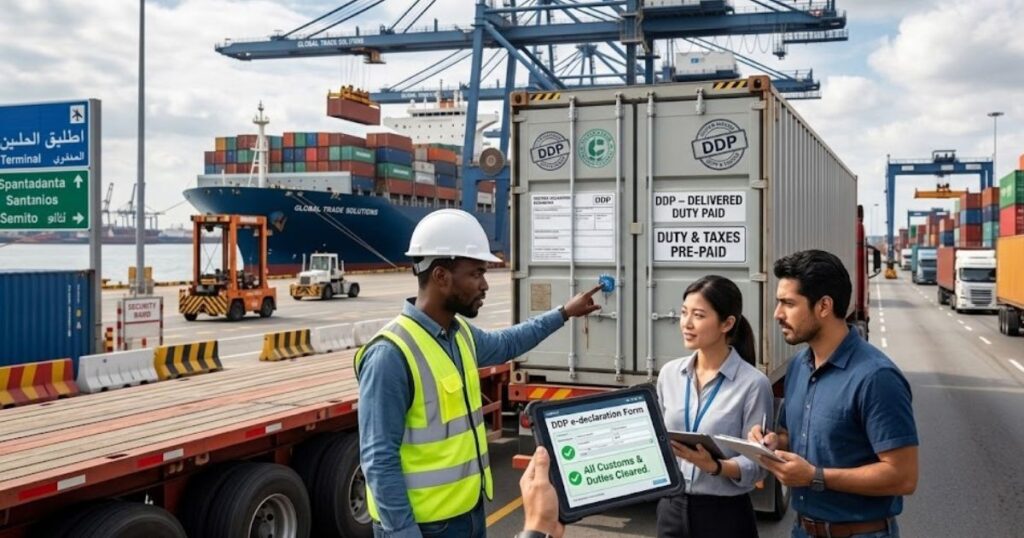
Choosing DDP shipping is like picking the express lane for your business. It takes away the usual stress of importing and replaces it with simplicity and peace of mind. Here are some of the biggest perks you can expect.
Hassle-free customs clearance
Dealing with customs can feel like trying to solve a tricky puzzle. With DDP, you get to skip it entirely. Your logistics partner handles all the paperwork and talks to the authorities for you. This means no more worrying about complicated forms or your shipment getting stuck at the border. Your goods sail through customs smoothly, which lets you focus on running your business.
Predictable costs and no hidden charges
Have you ever been surprised by an unexpected bill? DDP shipping eliminates that problem. You get one clear price at the very beginning that covers everything: shipping, taxes, and fees. This makes budgeting a breeze. You know exactly what you’re paying for from the start, so there are no nasty surprises waiting for you when the package arrives.
Enhanced customer satisfaction with door-to-door delivery
Happy customers are the heart of any business. When you offer a seamless door-to-door delivery experience, your customers will love it. They don’t have to deal with customs or pay extra fees upon arrival. The package just shows up at their doorstep, making the whole process easy and delightful. This positive experience builds trust and encourages them to shop with you again.
What Can You Ship Using DDP in Pakistan?
One of the great things about DDP shipping is that you can send a wide variety of items to Pakistan. Whether you’re a growing business or sending a special gift, DDP makes it possible. But, like any country, Pakistan has rules about what can and cannot enter. Let’s look at what’s easy to ship and what needs a little extra care.
Commonly shipped items
For the most part, you can ship everyday goods without any trouble. Things like clothing, books, toys, small electronics, and machine parts are perfect for DDP. These items are common imports and move through the customs process quickly, making them ideal for e-commerce businesses and regular importers.
Restricted or special items requiring extra documentation
Some items are considered special and need extra paperwork to get through customs. This includes things with batteries (like phones or laptops), certain cosmetics, and some food items. It doesn’t mean you can’t ship them; it just means your shipping partner will need to complete extra steps or provide specific certificates to prove they are safe and meet Pakistan’s standards. Always check with your logistics provider first if you plan to ship these goods.
Tips for shipping fragile or high-value goods
Shipping something fragile or expensive? A little extra prep goes a long way. Make sure these items are packed securely with plenty of padding, like bubble wrap, to prevent damage. For high-value goods, it’s a smart idea to get shipping insurance for added peace of mind. This protects your investment in case something unexpected happens during the journey.
What Documents Are Required for DDP Shipping?
Imagine trying to travel to another country without your passport. You wouldn’t get very far, right? Shipping goods to Pakistan works the exact same way. Your package needs its own set of travel papers to get through customs smoothly. If these papers are missing or wrong, your shipment could get stuck at the border.
Here are the three most important documents you need to get right.
Commercial invoice and its importance
Think of the Commercial Invoice as the ultimate receipt. It is the most critical document for customs officers. It tells them exactly what you are shipping, who is sending it, and how much it is worth. This paper helps the authorities figure out the correct taxes and duties. It must be 100% accurate! If the description or value is wrong, it can cause delays or even fines. It’s like telling the truth on a test; it keeps you out of trouble.
Packing list: What it includes
The Packing List is like a detailed cheat sheet for your box. While the invoice talks about money, this list talks about the physical stuff. It details everything inside the package, including how much it weighs, how big it is, and exactly how many items are in there. It helps the logistics team handle your box safely and lets customs check the contents quickly without opening everything up.
Air Waybill (AWB): The shipment’s passport
The Air Waybill (AWB) is basically your shipment’s airplane ticket and passport rolled into one. It contains a unique tracking number that lets you see where your package is at all times. Just like you need a boarding pass to get on a plane, your goods need an AWB to fly to Pakistan. It proves that the airline has accepted your goods and is ready to deliver them.
How Does DDP Compare to Other Shipping Terms (DAP, DAT, DDU)?
Shipping terms can feel like a secret code language, right? You might see acronyms like DDP, DAP, or DAT floating around and wonder what they actually mean for your wallet and your sanity. Let’s crack the code and see how DDP stacks up against the others, especially for shipping to Pakistan.
Key differences between DDP and DAP
Here is the simplest way to think about it: DDP (Delivered Duty Paid) is the “all-inclusive resort” of shipping. You pay one price, and everything, shipping, taxes, and delivery, is taken care of. You just relax and wait for your package.
DAP (Delivered at Place), on the other hand, is more like booking a hotel room but having to pay for your own meals and activities separately. With DAP, the seller gets the package to your country, but then you have to deal with customs, pay the taxes, and handle the paperwork before you can actually get your hands on your goods.
When to choose DDP over DAP or DAT
So, when should you pick DDP? If you want zero stress, DDP is your best friend. It’s perfect if you don’t want to hire a customs broker or spend hours figuring out tax rates. Choose DAP or DAT only if you are a big company with your own team of experts who know the local customs rules inside and out. For most people, DDP saves a lot of headaches.
Why DDP is ideal for businesses in Pakistan
In Pakistan, customs rules can change, and paperwork can get tricky fast. By choosing DDP, you bypass all that confusion. You know exactly what your final cost is before you even ship, which means your business won’t face surprise fees. It keeps your budget safe and ensures your customers get their orders faster without getting stuck at the border.
How to Choose the Right DDP Service Provider in Pakistan
Picking a DDP service provider is like choosing a teammate for an important game. You need someone reliable who knows the rules and won’t drop the ball. A great partner makes shipping feel effortless, while the wrong one can cause big headaches. So, how do you find the right one?
Factors to consider when selecting a provider
Look for a provider with a strong track record. Do they have good reviews? Are they known for handling shipments to Pakistan? A good company will be open about its process and happy to answer your questions. Also, check if they offer real-time tracking. Knowing where your package is at all times gives you peace of mind. Experience is key, so choose a team that has been navigating Pakistan’s customs for a long time.
Red flags to avoid
Watch out for providers who are hard to contact or give vague answers. A huge red flag is a price that seems too good to be true. It often hides extra fees that pop up later. If a company can’t clearly explain its process for handling taxes and duties, it’s best to walk away. Trust your gut; if something feels off, it probably is.
Questions to ask before signing a contract
Before you commit, ask a few smart questions.
- What is your experience with shipping my type of product to Pakistan?
- Can you give me a full breakdown of the costs?
- What happens if my shipment is delayed or lost?
- Who is my main point of contact if I have a problem?
A trustworthy provider will have clear, confident answers for all of these.
Challenges and Risks of DDP Shipping
Even the best-laid plans can hit a speed bump, and shipping is no exception. While DDP is generally the smoothest way to get goods into Pakistan, it’s smart to know what could go wrong so you can avoid it. Being prepared is half the battle!
Potential delays during customs clearance
Sometimes, customs officers need extra time to check a shipment. It’s like when airport security decides to double-check a bag. This can happen during busy seasons, like holidays, or if random inspections are taking place. While your shipping provider handles the hard work, these little pauses can sometimes add a day or two to your delivery timeline. Patience is key here, but a good provider will keep you updated every step of the way.
Costs associated with incorrect documentation or HS codes
Remember those documents we talked about earlier? If there is a mistake on them, like a wrong HS code or an incorrect value, it can be costly. Customs might charge a penalty fee or hold your package until the error is fixed. It’s like filling out a test answer in the wrong bubble; it creates a mess that takes time and money to clean up. Accuracy is your best friend in avoiding these surprise costs.
How to mitigate risks with professional support
The secret to avoiding these headaches? Don’t go it alone! Working with a professional logistics team is like having an expert guide on a tricky hike. They know exactly which forms to fill out, which codes to use, and how to talk to customs officials. Their experience acts as a shield, protecting you from mistakes and keeping your shipment moving smoothly. With the right support, you can relax knowing the experts have your back.
How Can Small Businesses Benefit from DDP?
If you run a small business or a startup, you know that every dollar and minute counts. You don’t have time to become a customs expert. That’s why DDP shipping is such a game-changer for smaller companies looking to import goods into Pakistan. It levels the playing field and helps you compete with the big guys.
Tailored solutions for startups and small importers
Big corporations often have entire departments to handle shipping and customs. As a small business, you’re likely wearing many hats at once. DDP services are designed to take the entire shipping burden off your shoulders. Logistics providers can offer you flexible, tailored solutions that fit your budget and shipment size, allowing you to import goods without needing a huge team or a massive budget. This means you can focus on what you do best—growing your business.
Cost-effective strategies for e-commerce businesses
For an e-commerce store, surprise fees are a customer service nightmare. DDP shipping offers transparent, all-in pricing, which is a huge advantage. You can calculate your exact costs upfront and price your products accurately. This prevents angry customer emails about unexpected tax bills and protects your profit margins. It makes your financial planning simpler and your business more sustainable.
Building trust with seamless delivery experiences
A happy customer is a repeat customer. When someone buys from you, they want a simple, predictable experience. DDP provides exactly that. Their order arrives at their doorstep without any extra steps or surprise costs. This seamless delivery builds incredible trust and a positive brand reputation. When customers know they can rely on you for a hassle-free purchase, they are far more likely to come back and recommend you to others.
The Role of Technology in DDP Shipping
Technology is the secret sauce that makes modern DDP shipping so fast, reliable, and easy to use. Just like your phone helps you navigate a new city, shipping technology helps your package navigate the world. It replaces guesswork with certainty and makes the entire process smarter.
Real-time tracking and visibility
Have you ever tracked a pizza delivery on your phone? Technology does the same thing for your international shipments. Every package gets a unique tracking number, which is scanned at every step of its journey. This lets you see exactly where your package is in real-time, whether it’s on a plane, in a warehouse, or out for delivery. This amazing visibility gives you complete peace of mind, as you are never left wondering about your shipment’s status.
How digital tools simplify the DDP process
Gone are the days of mountains of paper and endless phone calls. Today, digital tools make everything simpler. You can get a quote, book a shipment, and upload all your documents online in just a few clicks. Smart software helps ensure your paperwork is filled out correctly, reducing the chances of errors and customs delays. These tools bring the entire DDP process to your fingertips, saving you time and effort.
The future of tech-driven logistics
The world of shipping is getting even smarter. Soon, things like artificial intelligence (AI) will predict the fastest shipping routes and even forecast potential delays before they happen. Imagine a system that automatically flags a potential customs issue and fixes it for you. Technology is constantly evolving to make DDP shipping even faster, cheaper, and more reliable for businesses in Pakistan.
Conclusion
Door Duty Paid is a simple and reliable shipping solution for international trade. It allows buyers to receive goods without worrying about customs duties or complex logistics. By placing the responsibility on the seller, the entire process becomes smoother and more transparent. Many businesses prefer DDP because it improves customer satisfaction and delivery reliability. Overall, it is an efficient option for hassle-free global shipping.
FAQs
What does Door Duty Paid mean in shipping?
Door Duty Paid (DDP) is an international shipping method where the seller takes full responsibility for delivering goods to the buyer’s doorstep. This includes handling transportation, customs clearance, import duties, and taxes. The buyer does not need to worry about additional charges or complicated paperwork because everything is already covered by the seller.
What are the benefits of using Door Duty Paid shipping?
The biggest advantage of Door Duty Paid shipping is convenience. Buyers receive their products without dealing with customs procedures or unexpected fees. It also saves time and reduces the risk of shipment delays because the seller manages the entire logistics process from origin to final delivery.
Who pays the customs duties in Door Duty Paid?
In a Door Duty Paid agreement, the seller is responsible for paying all customs duties, taxes, and import fees. This ensures that the buyer receives the shipment without any extra payments upon delivery. It provides a clear pricing structure and makes international transactions easier for customers.
Is Door Duty Paid suitable for all types of shipments?
Door Duty Paid works well for many international shipments, especially for businesses that want to offer a smooth customer experience. However, it may not be ideal for every situation because the seller must understand the destination country’s import rules and costs before offering DDP shipping.